Pre Seed Vs Seed. Introduction: Why Understanding Funding Stages Matters.
Raising capital is one of the most critical—and confusing—parts of building a startup. Many founders rush into fundraising without fully understanding which funding stage they’re actually ready for.
Pre-seed and seed funding may sound similar, but they serve very different purposes. Choosing the wrong stage, pitching too early, or approaching the wrong investors can slow your startup down or even damage future fundraising opportunities.
In this guide, we’ll break down Pre Seed vs Seed, explaining the key differences, and help you decide which round makes sense for your startup today.
Understanding Startup Funding Stages
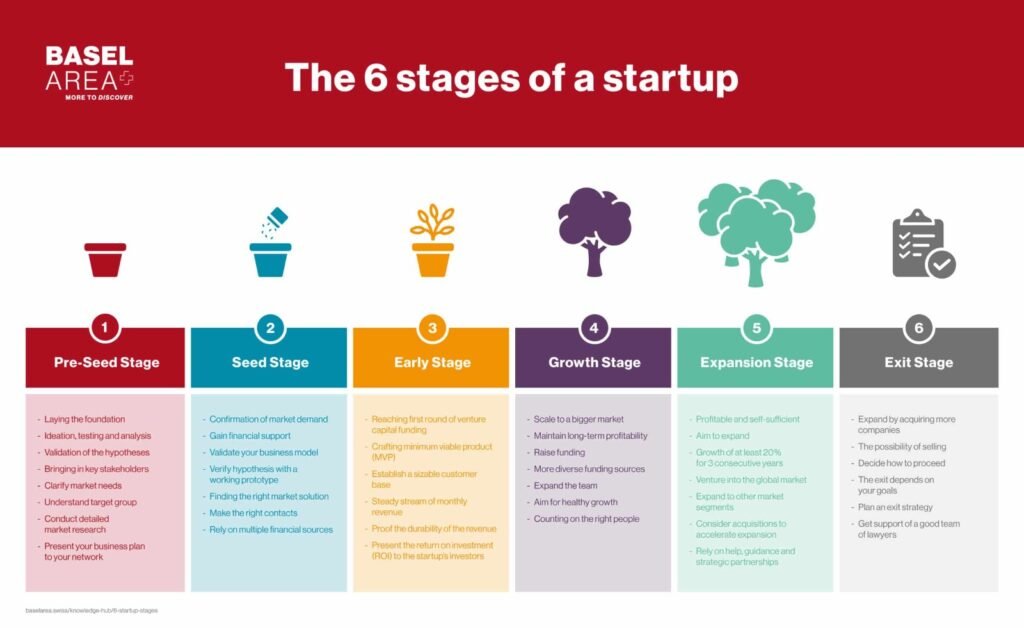
Before comparing pre-seed and seed funding, it helps to understand where they fit in the startup lifecycle. A typical startup funding journey looks like this:
- Bootstrapping / Self-funded
- Pre-seed
- Seed
- Series A
- Series B and beyond
Each stage has different expectations around:
- Product maturity
- Traction
- Revenue
- Team strength
- Risk level
The earlier the stage, the more investors are betting on the founder rather than the numbers.
What Is Pre-Seed Funding?
Pre-seed funding is the earliest external capital a startup raises. It usually comes after idea validation but before meaningful traction.
Purpose of Pre-Seed Funding
Pre-seed funding helps founders:
- Validate the problem and solution
- Build an MVP
- Conduct early user testing
- Form the initial team
At this stage, the product is often incomplete or not built at all.
Typical Pre-Seed Funding Sources
- Angel investors
- Friends and family
- Early-stage micro VCs
- Founder communities and syndicates
Pre-Seed Funding Size
- ₹20L – ₹2 Cr (India)
- $50K – $500K (global average)
What Investors Look For
- Strong founder story
- Clear problem understanding
- Early validation signals
- Market potential
What Is Seed Funding?
Seed funding comes after pre-seed, when your startup has early traction and proof that the business can scale.
Purpose of Seed Funding
Seed capital is used to:
- Improve and scale the product
- Grow user base
- Build repeatable acquisition channels
- Hire core team members
- Prepare for Series A
At this stage, investors expect more evidence and less speculation.
Typical Seed Funding Sources
- Venture capital firms
- Institutional seed funds
- Angel networks
- Accelerators
Seed Funding Size
- ₹2 Cr – ₹20 Cr (India)
- $500K – $5M (global)
What Investors Look For
- Product-market fit signals
- Active users or revenue
- Strong metrics and growth trends
- Clear roadmap to scale
Pre-Seed vs Seed Funding : Key Differences
| Aspect | Pre-Seed | Seed |
| Product | Idea / MVP | Working product |
| Traction | Minimal or none | Early traction |
| Revenue | Usually none | Early revenue preferred |
| Risk Level | Very high | High but reduced |
| Pitch Focus | Vision & problem | Metrics & execution |
| Investor Type | Angels, micro VCs | VCs, seed funds |
Understanding these differences helps founders avoid pitching the wrong story to the wrong audience.
How to Know Which Funding Stage You’re Ready For
Ask yourself these questions:
You’re likely ready for Pre-Seed if:
- You’ve validated the problem
- You have early user feedback
- MVP is in progress or planned
- You need capital to build and test
You’re likely ready for Seed if:
- Users are actively using the product
- You have retention or revenue signals
- You understand your customer acquisition cost
- You can articulate a scaling strategy
Raising to early can hurt your valuation. Raising too late can slow growth.
Common Funding Mistakes Founders Make
Many startups struggle not because they can’t raise money—but because they raise it incorrectly.
Common mistakes include:
- Pitching seed investors with a pre-seed story
- Raising before validation
- Ignoring unit economics
- Overvaluing the company too early
- Building pitch decks without clear metrics
Strong founders treat fundraising as a strategic process, not a desperate one.
How Much Should You Raise?
There’s no perfect number—but there is a smart approach.
Rule of Thumb:
Raise 12–18 months of runway, not maximum capital.
Too little funding creates constant stress. Too much funding increases pressure and dilution.
Your raise should align with clear milestones, such as:
- MVP launch
- 10,000 users
- Revenue targets
- Expansion plans
How Founderpin Helps Founders Prepare for Funding
Navigating early-stage funding can feel overwhelming—especially for first-time founders. This is what we help at FounderPin by making things simpler explanation so that you as a Founder can Win.
Founderpin supports startups by offering:
- Founder education and resources
- Validation frameworks
- Funding readiness insights
- Access to startup tools and guidance
By focusing on preparation before pitching, Founderpin helps founders approach investors with clarity and confidence.
Final Thoughts : Raise the Right Round at the Right Time
Pre-seed and seed funding aren’t just labels—they represent different expectations, risks, and opportunities.
Founders who understand these stages:
- Raise faster
- Avoid unnecessary dilution
- Build stronger investor relationships
- Increase long-term success
Before you pitch, ask yourself:
Is my startup truly ready for this round?