
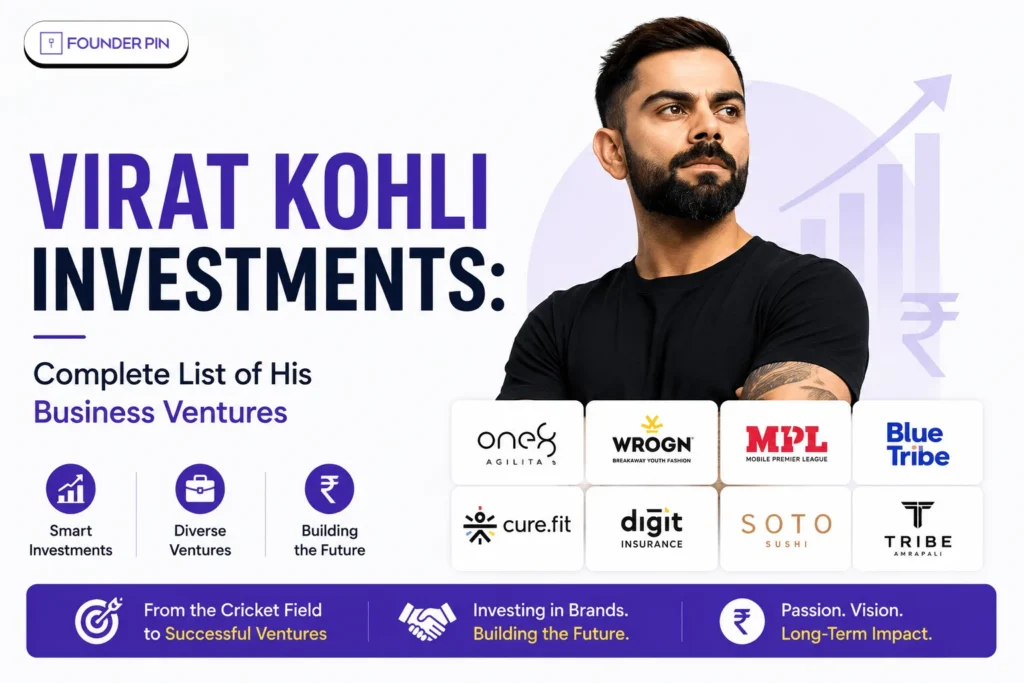
The table should be viewed as a snapshot of publicly reported information, rather than an official statement of Kohli’s complete personal holdings.
1. One8 and Agilitas Sports: His Biggest Recent Business Bet
Agilitas Sports is one of the most significant recent additions to Virat Kohli’s investment portfolio. In 2025, Kohli invested ₹40 crore in the sportswear company and became a co-creator of its One8 business.
Agilitas was founded in 2023 by former Puma India executive Abhishek Ganguly and operates across sportswear manufacturing, R&D, brands and retail.
In December 2025, Agilitas announced that it was acquiring One8, the sportswear brand co-created by Kohli. Kohli joined Agilitas as an investor and One8 co-founder.
Why did this business attract Kohli?
- It sits directly inside his sports and fitness expertise.
- He can contribute brand credibility, not just capital.
- Agilitas gives One8 access to manufacturing and retail capabilities.
- The company has ambitions to build sports brands from India for global markets.
Agilitas says Kohli invested ₹40 crore and held a 1.94% stake based on its 2025 disclosures.
Founder lesson: A strategic investor becomes much more valuable when their personal expertise directly matches the company’s growth strategy.
2. WROGN and Universal Sportsbiz: Building a Fashion Brand
WROGN is one of Kohli’s best-known consumer businesses and helped establish his identity as an entrepreneur outside cricket.
The youth-focused fashion brand was launched through Universal Sportsbiz Pvt. Ltd. (USPL), with Kohli becoming closely associated with the brand as co-owner and brand face.
Kohli also invested about ₹19.3 crore in USPL in 2020, according to published reports.
Why did this business attract him?
- Fashion complements his personal lifestyle brand.
- WROGN targets a young, sports-conscious consumer base.
- Kohli’s celebrity visibility can accelerate brand awareness.
- The business offers opportunities beyond cricket endorsements.
In 2024, TMRW, the Aditya Birla Group’s fashion platform, acquired a 16% stake in USPL for ₹125 crore, providing an external validation of investor interest in the company.
Founder lesson: Celebrity attention can open doors, but a consumer brand still needs product-market fit and distribution to survive.
3. Go Digit: A High-Profile Fintech Investment
Go Digit is arguably the clearest example of a publicly documented financial investment by Kohli.
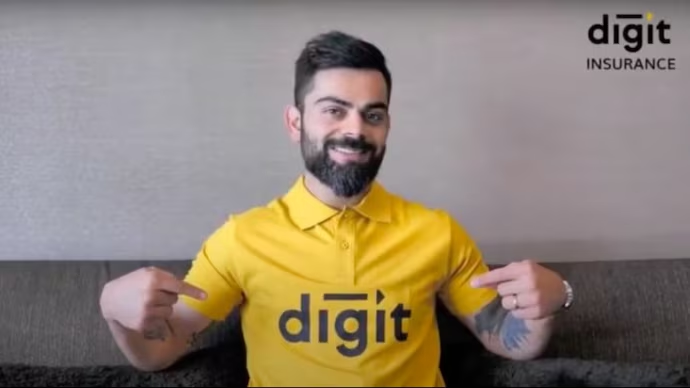
In February 2020, Kohli purchased 266,667 Go Digit shares at ₹75 each, investing approximately ₹2 crore. Anushka Sharma invested another ₹50 lakh.
Go Digit later went public in 2024. Moneycontrol reported that Kohli’s original ₹2 crore investment had grown substantially following the company’s stock-market listing.
Go Digit is a good example of how startup investors can participate in high-growth sectors such as fintech and digital financial services. If you’re exploring funding options for your own startup, check out our guide to [SIDBI Startup Funding] to understand available schemes, eligibility and the application process.
Why did this business attract him?
- Digital insurance was a fast-growing technology category.
- The company aimed to simplify insurance through technology.
- Kohli could participate in a scalable financial-services business.
- The investment offered exposure beyond consumer brands.
Founder lesson: A startup that removes friction from a complicated industry can attract both customers and investors.
4. Rage Coffee: Betting on India’s D2C Beverage Market
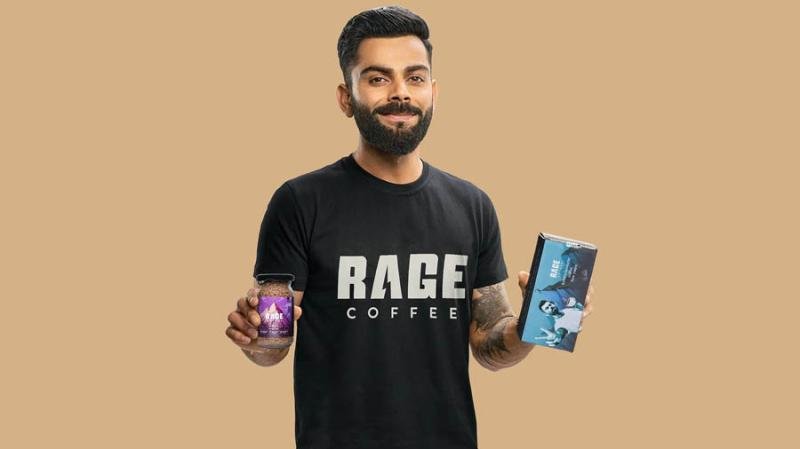
Rage Coffee brought Kohli into India’s fast-growing direct-to-consumer beverage ecosystem.
Kohli invested an undisclosed amount in 2022 and also became the brand ambassador. Rage Coffee sells packaged coffee products and has built a D2C-focused consumer brand.
Why did this business attract him?
- Coffee is a high-frequency consumer category.
- D2C brands can build direct relationships with customers.
- Kohli’s fitness and lifestyle image fits a premium beverage brand.
- His role combined investment with marketing influence.
Founder lesson: If an investor can bring both capital and distribution through personal influence, the partnership can be more powerful than funding alone.
5. Blue Tribe: Plant-Based Food
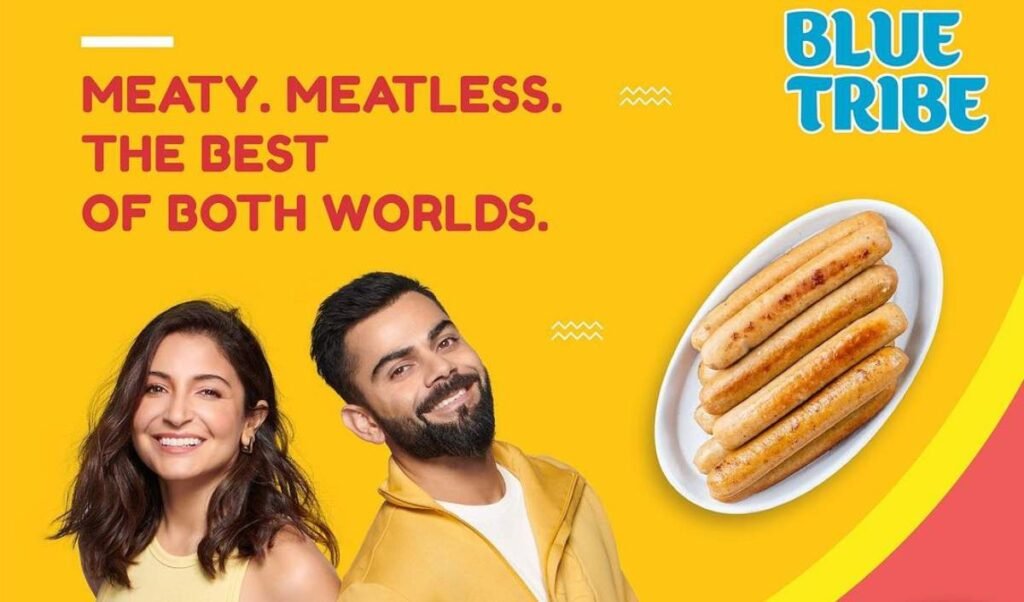
Blue Tribe is another investment that aligns with Kohli and Anushka Sharma’s public interest in healthier and more conscious food choices.
The couple invested in the plant-based meat company in 2022. Blue Tribe produces alternatives to conventional meat using plant-based ingredients.
Why did this business attract him?
- It operates in an emerging food category.
- The business connects with health and sustainability themes.
- The product targets consumers looking for alternatives rather than abandoning familiar foods entirely.
- Kohli and Anushka could contribute both capital and consumer awareness.
Founder lesson: Investors can be particularly useful when they genuinely understand and believe in the consumer problem your startup is solving.
6. Hyperice: Investing in Sports Recovery
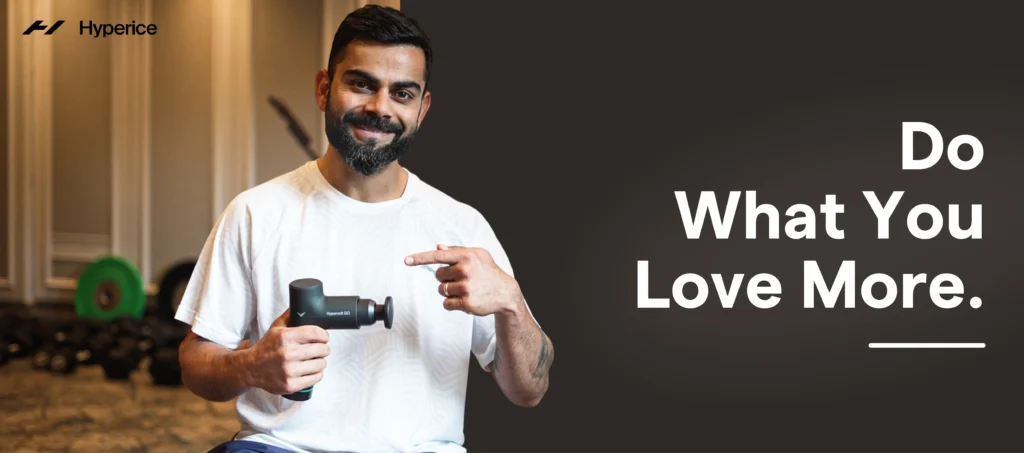
Hyperice extends Kohli’s portfolio into technology-driven wellness and athletic recovery.
Kohli became an investor and brand ambassador for Hyperice in 2021. The company develops recovery and wellness products used by athletes and consumers.
Why did this business attract him?
- Recovery is closely connected to professional sport.
- Kohli understands the importance of fitness and physical preparation.
- The company operates in a global consumer market.
- His role provides authentic athlete credibility.
Founder lesson: Your best strategic investors may come from the exact industry you are trying to transform.
7. Chisel Fitness: A Natural Extension of His Fitness Brand
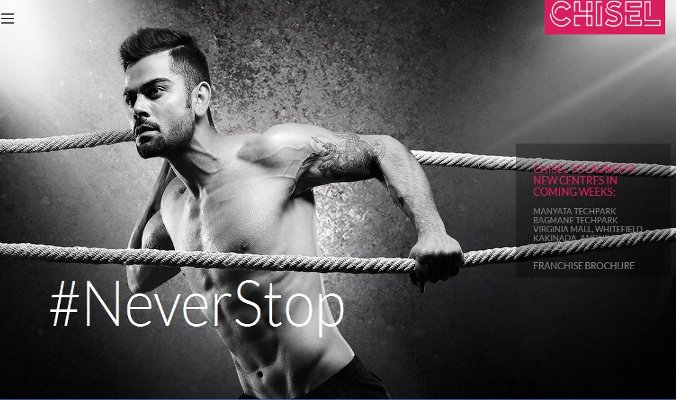
Chisel Fitness was an early attempt by Kohli to turn his personal commitment to fitness into a business venture.
Kohli partnered with Chisel India and Cornerstone Sport & Entertainment to build fitness centres. Reports have previously linked him to a significant stake in the company.
Why did this business attract him?
- Fitness was already central to Kohli’s public identity.
- India had growing demand for organised fitness services.
- His personal transformation gave the brand an authentic story.
- Gyms created an opportunity to build a long-term consumer business.
Founder lesson: Authenticity can be a competitive advantage when the founder or investor genuinely lives the problem.
8. O’cean Beverages: Entering Wellness Drinks

O’cean added beverages and wellness products to the Virat Kohli investment portfolio.
It describes itself as a wellness-focused beverage brand, with products spanning energy drinks, flavoured waters and natural mixers. Kohli is both an investor and ambassador.
Why did this business attract him?
- It fits his sports and fitness positioning.
- Beverages offer a mass consumer opportunity.
- The brand can benefit from Kohli’s strong association with performance and wellness.
- The category allows room for multiple products and formats.
Founder lesson: A strong portfolio often develops around a founder’s existing credibility rather than forcing a completely unrelated identity.
9. MPL / Galactus Funware: Investing in Gaming
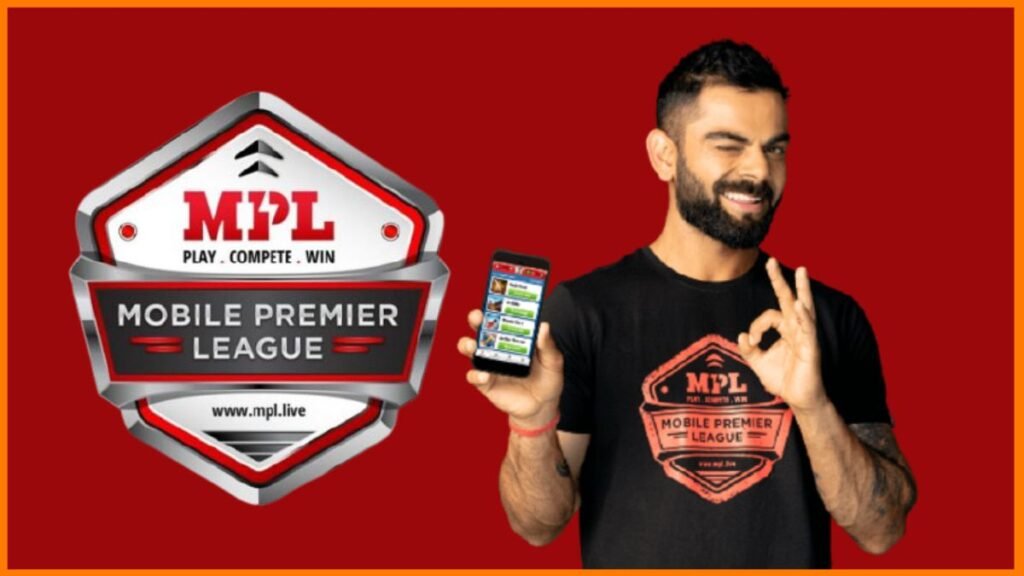
Kohli also entered India’s gaming ecosystem through Galactus Funware Technology, the company behind Mobile Premier League (MPL).
Reports indicate that he invested more than ₹33 lakh through a compulsory convertible debenture in 2019.
Why did this business attract him?
- Mobile gaming has a large digital consumer base.
- Sports and gaming naturally overlap with Kohli’s audience.
- Digital platforms can scale rapidly.
- The investment gave him exposure to a technology-driven category.
Founder lesson: A founder should look beyond today’s customer base and consider whether the product can scale with changing consumer behaviour.
10. FC Goa: His Entry Into Sports Ownership
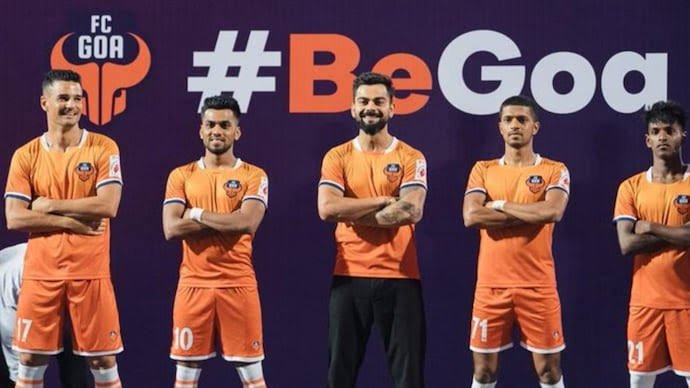
FC Goa was one of Kohli’s earliest major business investments and marked his move from cricket into sports ownership.
Kohli became a co-owner of the Indian Super League club. Moneycontrol reports that his initial investment was around ₹3 crore in February 2015.
Why did this business attract him?
- Football has a large global audience.
- It allowed Kohli to diversify within sports.
- Sports ownership provides a long-term brand asset.
- His cricket profile could help cross-promote football in India.
Founder lesson: Diversification works best when you move into adjacent industries where you already understand the audience.
11. Team Blue Rising: Electric Motorsport
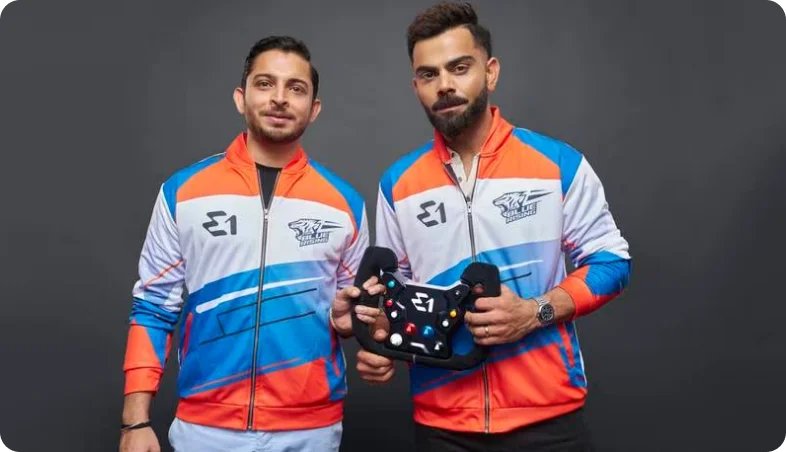
Kohli’s sports portfolio later expanded into electric powerboat racing through Team Blue Rising in the E1 World Championship.
The team was announced in 2023 for the inaugural season of the world’s first all-electric powerboat racing championship.
Why did this business attract him?
- It combines sports, technology and sustainability.
- Electric mobility is a major global business theme.
- The E1 format offers international exposure.
- It gives Kohli access to a sport outside traditional cricket and football.
Founder lesson: Emerging categories can create opportunities for investors willing to think beyond established markets.
12. World Bowling League: His Latest Sports Investment
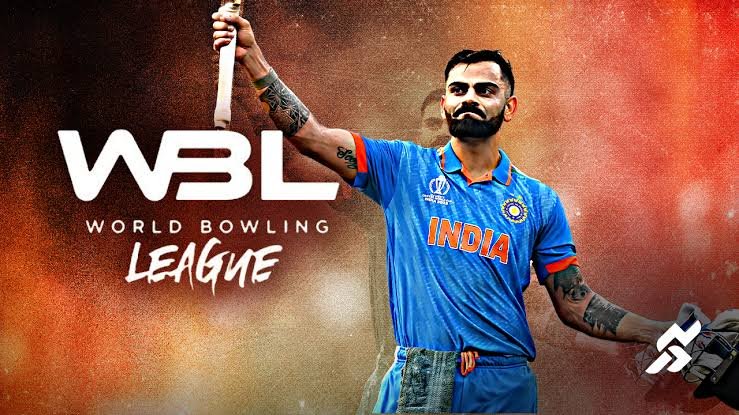
In May 2025, Kohli became a strategic investor in the proposed World Bowling League.
Kohli said he had been bowling since childhood and viewed bowling as popular but underappreciated as a business proposition.
Why did this business attract him?
- He has a genuine personal connection with bowling.
- The league aims to modernise the sport.
- Mixed-gender teams could create a differentiated sports format.
- Kohli can bring global attention to a relatively underdeveloped commercial category.
Founder lesson: Sometimes the strongest investment thesis starts with a simple observation: a popular activity may still be an underdeveloped business.
What Can Entrepreneurs Learn From Virat Kohli Investments?
The biggest lesson from the Virat Kohli investment portfolio is strategic alignment. His investments repeatedly connect with sports, fitness, consumer behaviour, wellness or categories where his personal brand can add value.
Key patterns include:
- Invest in industries you understand.
- Look for large consumer markets.
- Combine capital with strategic value.
- Build long-term brand equity.
- Don’t confuse celebrity visibility with business fundamentals.
- Diversify, but stay within areas where you can contribute.
Kohli’s portfolio also shows that not every investment needs to be identical. He has moved from insurance and gaming to plant-based food, sportswear and electric motorsport. The common thread is the potential for strong consumer brands, technology or sports-led growth.
Building a successful company requires more than a good idea and funding. Founders also need to avoid common mistakes around validation, hiring, cash flow and scaling. Our guide to [Top 10 Startup Mistakes Every Founder Should Avoid] covers the pitfalls entrepreneurs should watch for.
Final Takeaway
Virat Kohli Investments are best understood as a combination of entrepreneurship, strategic investing and personal-brand leverage.
From Go Digit and MPL to WROGN, One8, Blue Tribe, Rage Coffee, Agilitas and Team Blue Rising, his portfolio demonstrates how an athlete can gradually build a diversified business presence.
For founders, the takeaway is not to copy Kohli’s investment choices. Instead, study the principle behind them: find businesses where capital, credibility, expertise and distribution can work together.
If you’re building a startup and want to understand how to position your business for investors, contact FounderPin for a consultation.
FAQs: Virat Kohli Investments
1. What are the major Virat Kohli investments?
Virat Kohli’s publicly reported portfolio includes Agilitas Sports, WROGN, Go Digit, MPL, Rage Coffee, Blue Tribe, Hyperice, Slurrp Farm, O’cean Beverages and sports ventures. His investments span sportswear, insurance, gaming, food, beverages, fitness and wellness.
2. What is Virat Kohli’s biggest known startup investment?
Agilitas Sports is among Virat Kohli’s largest publicly reported individual startup investments. He invested ₹40 crore in Agilitas and became an investor and co-founder of one8 after Agilitas acquired the brand.
3. How much did Virat Kohli invest in Go Digit?
Virat Kohli and Anushka Sharma jointly invested around ₹2.5 crore in Go Digit in 2020, according to company-related reporting. Kohli’s individual contribution has also been reported at around ₹2 crore. Go Digit later listed on the Indian stock market in 2024.
4. Why does Virat Kohli invest in startups?
Kohli’s investment choices often overlap with sports, fitness, wellness, consumer brands and technology, areas where his personal experience and public profile can add strategic value. His Agilitas investment is a clear example: he chose to invest in the broader sportswear platform rather than only one8 because of its manufacturing, R&D and distribution capabilities.
5. What can entrepreneurs learn from Virat Kohli’s investment portfolio?
The biggest lesson is to look beyond capital. The right investor can bring expertise, credibility, distribution and a powerful network alongside money.
Kohli’s portfolio also shows the value of investing in industries that connect with your knowledge and personal brand. For founders, the takeaway is simple: choose strategic investors who can help build the business, not just fund it.