
Repeat business, sound unit economics, controllable operational expenses, and a brand that really aids in client acquisition are all characteristics of a successful franchise.
The Most Profitable Franchise Businesses in India in 2026 span food, education, healthcare, beauty, retail and essential services. The right choice depends less on the brand name alone and more on the economics of your particular location.
If you’re still exploring business opportunities before committing to a franchise, our guide to 20 Profitable Startup Ideas for India in 2026 can help you compare franchising with building an independent business.
This guide compares 10 franchise models using three things that actually matter: investment, business risk and potential ROI.
Important: Investment and ROI figures mentioned below are indicative and based on publicly available brand information or industry listings. Actual returns can differ substantially by city, rent, sales, staffing and operating performance.
Quick Takeaways
- Amul stands out for relatively low entry investment and strong everyday-product demand.
- Kidzee offers an established preschool model, but requires significantly more space and capital.
- Tumbledry is interesting for entrepreneurs looking for a recurring-service business.
- Naturals Salon combines an established brand with a service-led revenue model.
- Healthcare and diagnostics franchises can offer defensive demand but require greater attention to compliance and operations.
- ROI should never be judged from a franchise brochure alone; calculate it using your own rent, staffing, working-capital and sales assumptions.
10 Most Profitable Franchise Businesses in India for 2026
1. Amul Parlour — Best Low-Investment Franchise Option
Amul is one of the more accessible franchise models because some of its outlet formats require relatively modest setup investment.
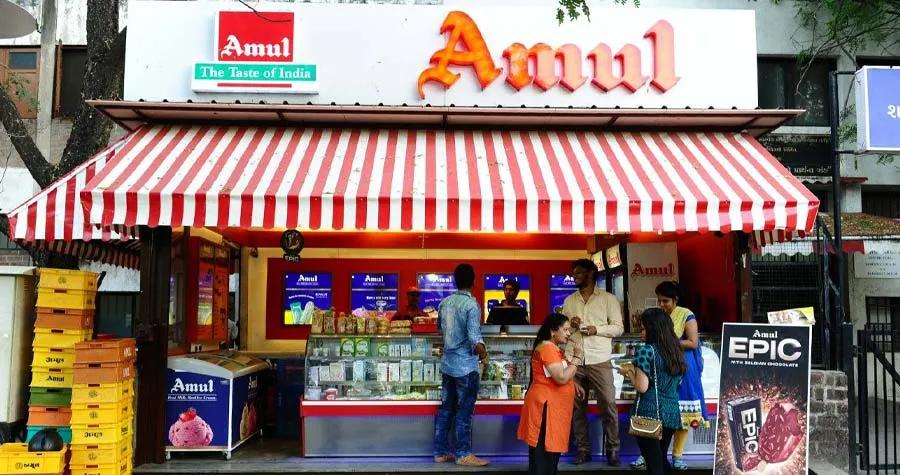
Amul’s official franchise information says an Amul Parlour can require roughly ₹1.5 lakh to ₹6 lakh, depending on format, excluding property costs and with working capital additional. Its smaller formats can operate from approximately 100–150 sq. ft. of space.
Investment
Approx.: ₹1.5–6 lakh, depending on the format.
Amul also states that franchisees do not pay royalty or share revenue with the company under its listed parlour models.
Risk: Low to Moderate
The main risks are location, rent, local competition and sales mix.
ROI potential
Amul itself says successful franchisees can recover their investment in less than a year in some circumstances, but it also stresses that results depend on location and products sold.
Best for: First-time entrepreneurs with limited capital.
Franchise Information: Based on information provided on the official website.
2. Kidzee Preschool — Best Education Franchise
Preschool franchising can offer recurring fee-based revenue, making education an attractive long-term business category.
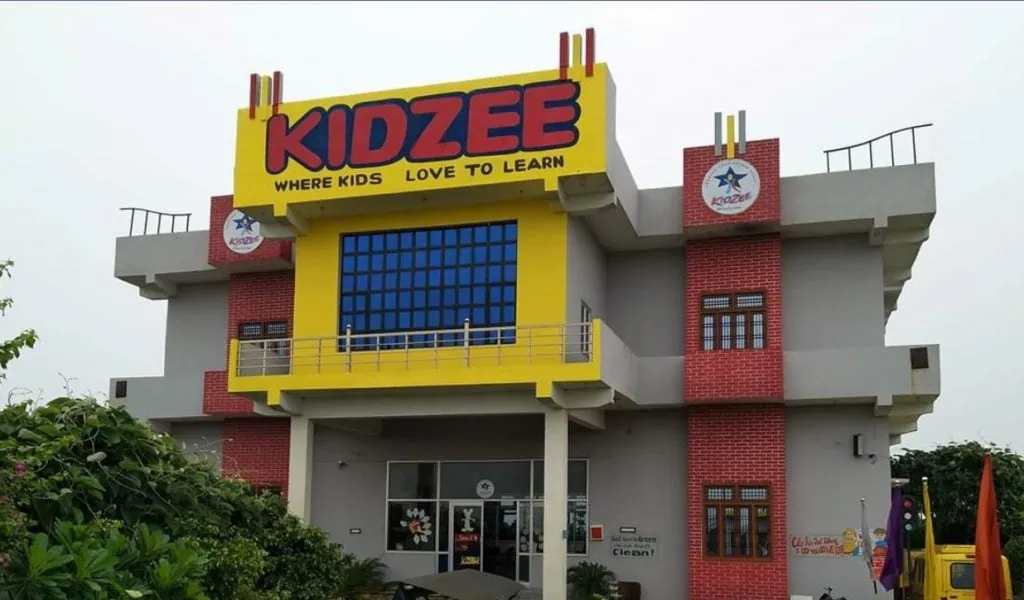
Kidzee currently states that franchise partners typically need around ₹14–15 lakh and a substantial space requirement, while another current franchise page lists ₹15–16 lakh and 2,000–3,000 sq. ft. requirements.
Investment
Approx.: ₹14–16 lakh, depending on location and format.
Kidzee says it has 2,500+ centres across 600+ cities and more than 20 years of experience.
Risk: Moderate
The biggest risks include admissions, local demographics, rent and competition from other preschools.
ROI potential
Kidzee promotes the model as a profitable preschool opportunity, but actual ROI depends heavily on enrollment and operating costs.
Best for: Entrepreneurs comfortable with education and community-based businesses.
Franchise Information: Based on information provided on the official website.
3. Tumbledry — Best Recurring-Service Franchise
Laundry is attractive because customers can return repeatedly, creating the possibility of recurring revenue rather than one-time purchases.
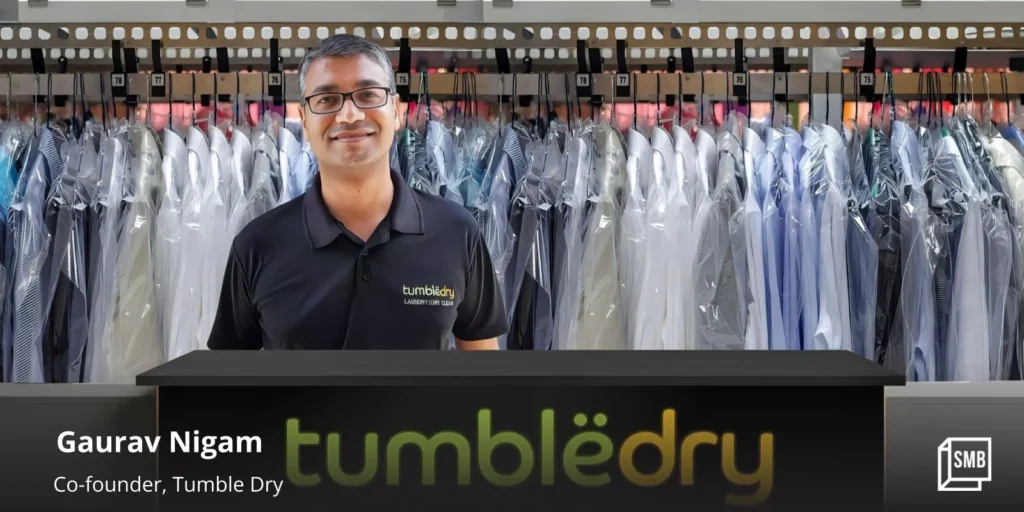
Tumbledry’s official franchise page currently lists investment of around ₹25 lakh in metros and Tier-1 cities and ₹18 lakh in Tier-2 and Tier-3 towns.
Investment
Approx.: ₹18–25 lakh, depending on location.
The company has also published figures such as an annual ROI of up to 65% and an investment recovery period of around two years.
Risk: Moderate
Risks include equipment costs, utility expenses, staffing, local competition and the ability to build repeat customers.
ROI potential
Tumbledry advertises high ROI potential, but these are brand-reported figures, not guaranteed returns.
Best for: Investors interested in essential services and recurring customers.
Franchise Information: Based on information provided on the official website.
4. Naturals Salon — Best Beauty & Personal-Care Franchise
Beauty and personal-care businesses benefit from repeat customers, making salons an interesting franchise category.
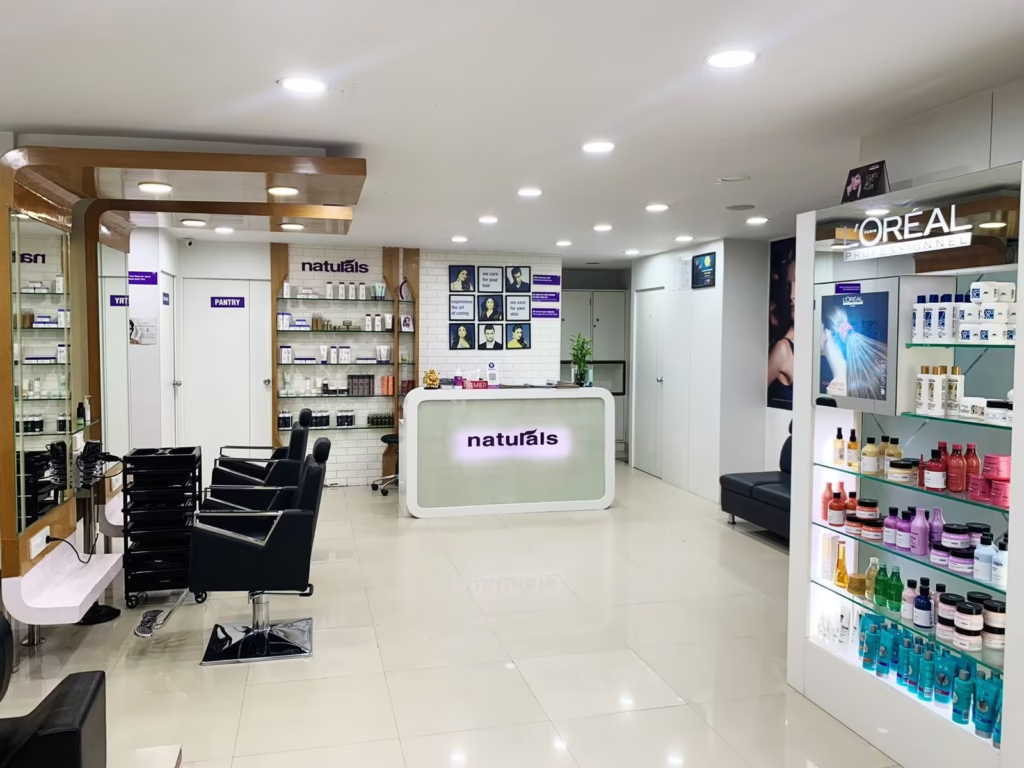
Naturals says its network has grown from one salon to 800 salons over 23 years and reports a franchise ROI period of approximately 36–48 months.
Investment
Investment varies according to salon format, location and property requirements.
Naturals also states that franchise partners can access business loans of up to ₹40 lakh through its stated offering.
Risk: Moderate
Salon businesses depend heavily on location, service quality, staff retention and repeat customers.
ROI potential
Naturals publishes an expected ROI period of 36–48 months, but actual performance depends on the individual outlet.
Best for: Entrepreneurs interested in service businesses and consumer brands.
Franchise Information: Based on information provided on the official website.
5. FirstCry — Best Baby & Kids Retail Franchise
FirstCry offers a retail franchise model focused on baby and children’s products, a category driven by recurring household demand.
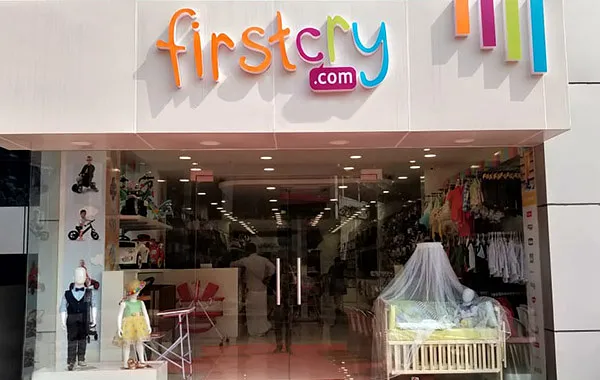
FirstCry’s official franchise page highlights its large product range, established brand portfolio and claims of high return on investment and faster payback.
Investment
The company does not currently publish a single standard franchise investment figure on its official franchise page, so investors should request a current cost sheet directly.
Risk: Moderate
Retail introduces inventory, rent, working-capital and competition risks.
ROI potential
FirstCry describes its model as offering high margins and faster payback, but the company does not publish a guaranteed ROI figure on the franchise page.
Best for: Entrepreneurs with sufficient capital for organized retail.
Franchise Information: Based on information provided on the official website.
6. Dr. Lal PathLabs — Best Healthcare Franchise Model
Diagnostics can be a relatively defensive business category because healthcare demand does not depend entirely on consumer discretionary spending.

Public franchise listings currently put the investment for some Dr. Lal PathLabs collection-centre formats in the low-lakh range, but requirements vary by model and location.
Investment
Indicative: roughly ₹2–5 lakh for some listed formats, subject to the exact model and current company approval.
Risk: Moderate
Healthcare requires strong attention to:
- Regulatory requirements
- Qualified personnel
- Sample handling
- Quality control
- Location
- Brand standards
ROI potential
Diagnostics can benefit from repeat testing and referrals, but investors should not rely on third-party claims of guaranteed margins or payback.
Best for: Entrepreneurs interested in healthcare and service operations.
Franchise Information: Based on information provided on the official website.
7. Amul Ice-Cream Parlour — Best Food Franchise on a Smaller Budget
An Amul ice-cream parlour provides a larger-format alternative to a basic Amul outlet and can benefit from higher-margin prepared products.
Amul’s official franchise information lists approximately ₹6 lakh for its ice-cream scooping parlour format, including indicative renovation and equipment costs, while property costs remain separate.
Investment
Approx.: ₹6 lakh plus property-related costs and working capital.
Risk: Moderate
The model is more sensitive to footfall, seasonality and local competition than a basic dairy outlet.
ROI potential
Amul lists margins of around 50% on certain recipe-based scoops and prepared products, while pre-packed ice cream carries a lower stated margin.
Best for: High-footfall locations near schools, markets, tourist areas or commercial hubs.
Franchise Information: Based on information provided on the official website.
8. Salon & Beauty Service Franchises
Beauty franchises remain attractive because the business naturally encourages repeat purchases and recurring appointments.
Beyond individual brands, the salon category offers multiple formats ranging from compact neighbourhood salons to premium full-service outlets.
The key advantage is that revenue comes from services, not just inventory sales.
Investment
Investment varies dramatically based on:
- Salon size
- City
- Interior specifications
- Equipment
- Brand
- Number of employees
Risk: Moderate to High
Staff quality is one of the biggest variables. A franchise can have an excellent brand and still struggle if customers dislike the service.
ROI potential
Potential can be attractive because service gross margins can be strong, but the outlet needs consistent customer retention.
Best for: Entrepreneurs comfortable managing people and customer experience.
9. Food & QSR Franchises
Quick-service restaurants stay one of India’s most visible franchise categories — but they demand way more operational discipline than most first-time investors realize going in.
When location, pricing, and product-market fit all line up, food franchises can generate genuinely strong sales. The catch? The cost structure can get demanding fast.
Investment
Depending on the brand and format, you’re looking at anywhere from a few lakhs for a small kiosk to several crores for a full-scale restaurant setup.
Risk: High
The main risks to watch for:
- Rent
- Food wastage
- Staff turnover
- Delivery commissions
- Competition
- Food inflation
- Customer ratings
There’s a broader trend worth noting here too. Organized entertainment is now expanding into smaller cities, which says a lot about where franchising is headed overall — big consumer brands are increasingly experimenting with capital-efficient formats outside the major metros. PVR INOX, for instance, rolled out its SMART Cinemas format in Tier-III cities back in August 2026.
Best for: Experienced operators with enough capital and strong location analysis.
10. Logistics & Courier Franchise
Logistics franchises tap into something India isn’t slowing down on anytime soon — the constant need for parcel delivery, ecommerce fulfilment, and last-mile services.
What makes this model attractive is simple: both businesses and consumers depend more and more on delivery infrastructure that actually works reliably.
Investment
Here’s the thing — investment varies a lot depending on the courier company, the territory, and the outlet format you’re looking at.
Don’t just trust generic online franchise listings. Instead, ask the brand directly for:
- Franchise fee
- Security deposit
- Territory rights
- Equipment costs
- Working capital
- Commission structure
- Minimum business requirements
Risk: Moderate
The real challenge here is thin margins. That means volume and operational efficiency end up mattering a lot more than they might in other franchise models.
Best for: Entrepreneurs who already understand local business networks and how logistics operations actually run.