
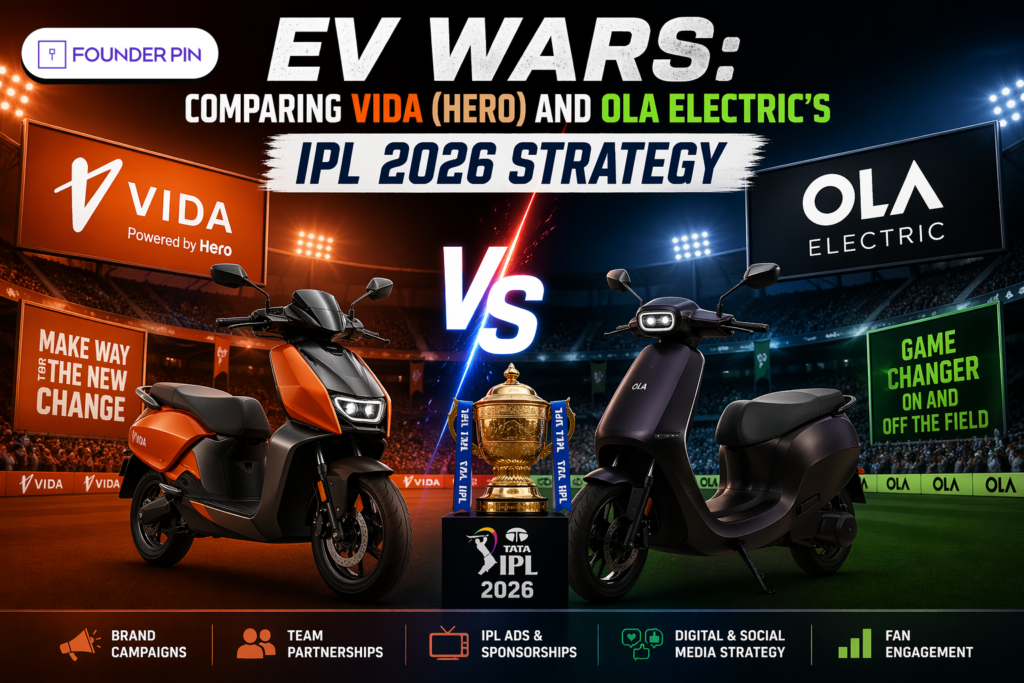
Ola Electric IPL 2026 Strategy – Scale, Visibility, and Digital Dominance
High-Visibility Sponsorship and Brand Recall
Ola Electric adopted a high-investment strategy centered on maximum visibility throughout IPL 2026. With an estimated spend between ₹200–250 crore, the brand secured premium placements such as LED boundary ads, mid-match integrations, and streaming platform visibility. This approach ensured that viewers were repeatedly exposed to the brand during high-engagement moments, resulting in an estimated 1.2 billion cumulative impressions. The strategy was clearly designed to dominate mindshare rather than just generate short-term leads.
Digital-First Campaign Execution
A key differentiator in Ola’s IPL strategy was its strong digital-first execution. The brand collaborated with popular cricket influencers, ran predictive gaming campaigns, and capitalized on real-time content during matches. This created a continuous feedback loop of engagement across social media platforms. As a result, Ola reportedly saw a 30% spike in app downloads during IPL and improved click-through rates by over 20%, highlighting how digital amplification can extend the value of large sponsorship spends.
Performance Messaging with a Tech Edge
Ola Electric positioned itself as a futuristic and technology-driven brand by emphasizing features such as long battery range, fast acceleration, and software upgrades through MoveOS. This messaging resonated strongly with younger, urban audiences who associate EV adoption with innovation and status. By aligning its communication with performance and technology, Ola successfully reinforced its identity as a premium disruptor in the EV space.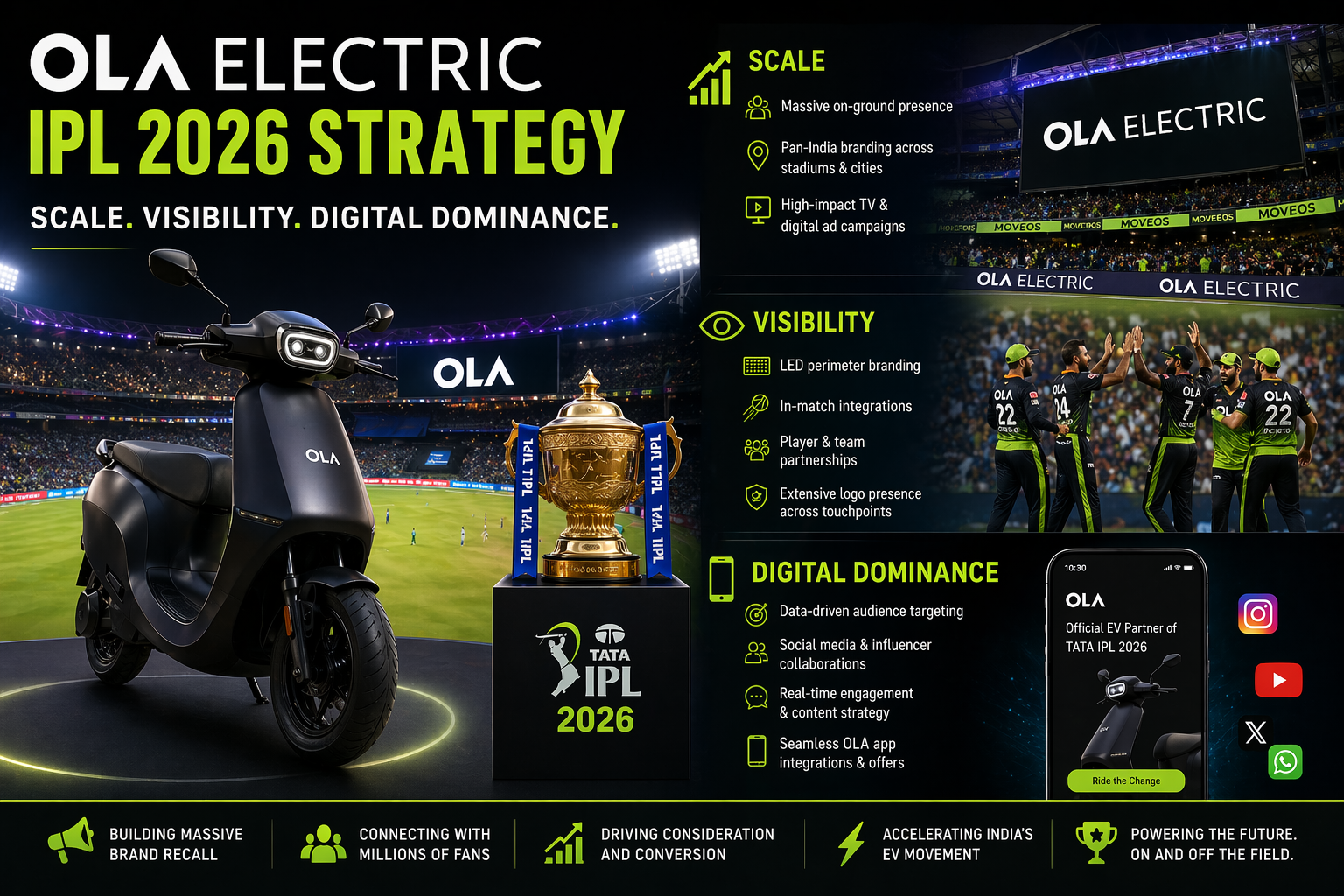
Hero VIDA IPL 2026 Strategy – Trust, Accessibility, and Ground Activation
Strategic Team-Based Partnerships
Hero VIDA took a more focused and efficient approach by partnering with specific IPL teams rather than investing in league-wide visibility. This allowed the brand to tap into regional fan loyalty and create deeper emotional connections with audiences. With a comparatively lower budget of ₹120–150 crore, VIDA prioritized relevance over reach, ensuring that its messaging felt more personalized and relatable within specific markets.
Retail and On-Ground Engagement
Unlike Ola’s heavy reliance on digital channels, Hero VIDA emphasized physical engagement through on-ground activations. The brand set up test ride zones near stadiums, organized mall events, and leveraged dealership networks to host IPL screenings. This strategy translated into a 25–28% increase in dealership footfall, demonstrating that EV buyers still value hands-on experiences before making purchase decisions. VIDA’s approach effectively bridged the gap between awareness and conversion.
Messaging Built on Trust and Affordability
Hero VIDA’s communication strategy leaned heavily on its legacy and trust factor as part of the Hero ecosystem. Instead of focusing purely on high-end performance, the brand emphasized reliability, affordability, and innovative ownership models like battery subscriptions. This messaging resonated strongly with middle-income consumers and first-time EV buyers, particularly in Tier 2 and Tier 3 cities, where trust plays a critical role in purchase decisions.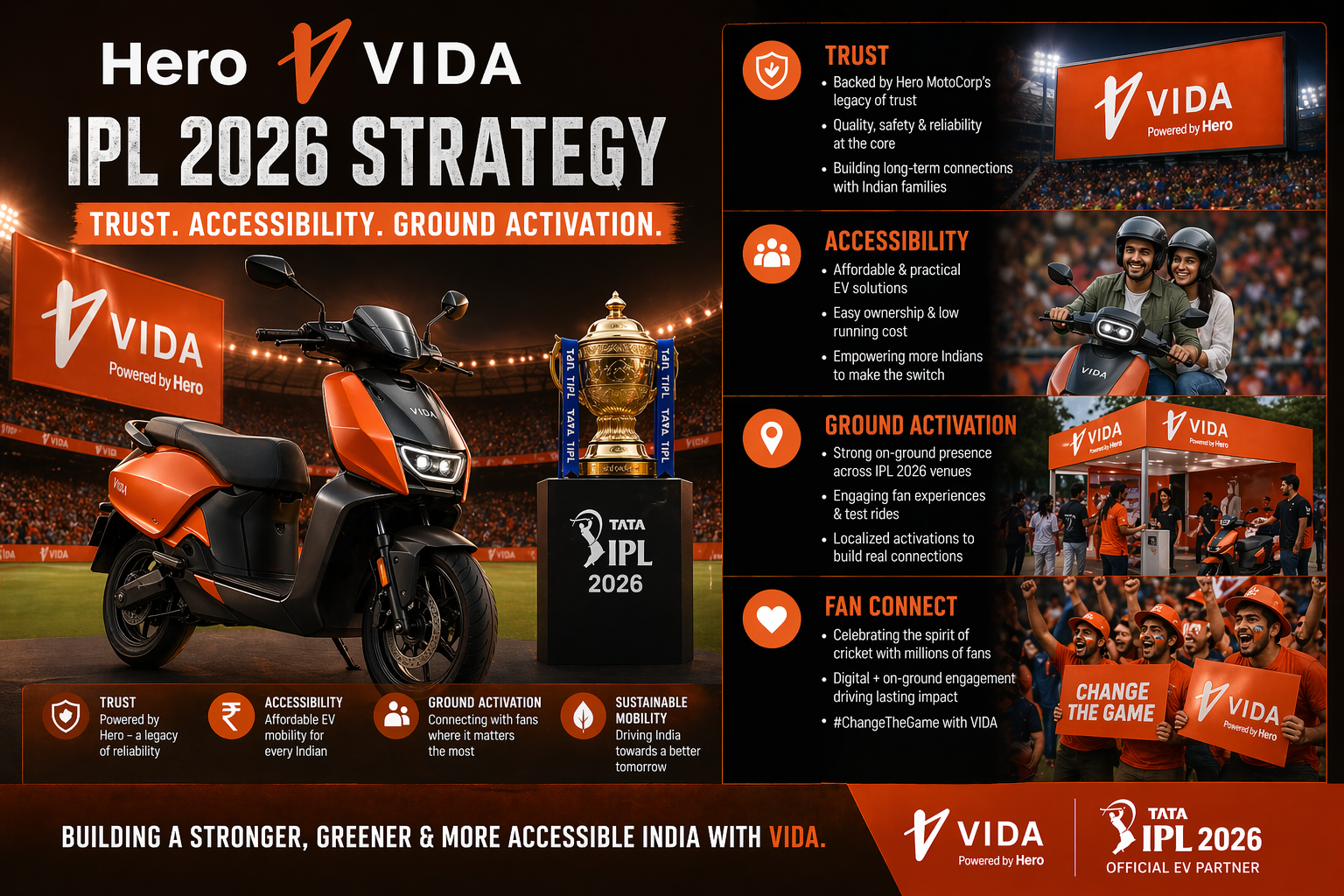
Ola Electric vs Hero VIDA IPL Marketing Strategy – Key Differences
Brand Positioning
The Ola Electric vs Hero VIDA IPL marketing strategy highlights a clear contrast in brand positioning. Ola positions itself as a premium, innovation-led disruptor targeting aspirational consumers, while Hero VIDA positions itself as a practical and trustworthy choice aimed at mass-market adoption. This difference shapes every aspect of their campaigns, from messaging to media selection.
Marketing Approach
Ola’s strategy is characterized by high spend and digital amplification designed to maximize reach and engagement across platforms. In contrast, VIDA’s approach is more balanced, combining digital presence with strong offline activation. This hybrid model allows VIDA to connect with consumers at multiple touchpoints, increasing the likelihood of conversion.
Audience Targeting and ROI
Ola primarily targets urban, tech-savvy millennials and Gen Z consumers who are influenced by innovation and digital trends. VIDA, on the other hand, focuses on a broader audience, including middle-income families and buyers in emerging markets. As a result, while Ola achieved higher visibility, VIDA reportedly achieved 20–25% better cost efficiency in customer acquisition, showcasing the effectiveness of targeted marketing.
Real Campaign Data and Market Impact
EV Market Growth During IPL
During IPL 2026, India’s EV two-wheeler segment experienced a significant uplift, with sales increasing by approximately 18% month-on-month. Additionally, search interest for electric scooters surged by nearly 40%, indicating that high-visibility events like IPL can directly influence consumer intent and awareness.
Brand Performance Metrics
Ola Electric recorded a 35% increase in brand recall along with a significant rise in digital engagement and app installs. According to recent industry analysis, Ola’s sales saw a notable decline amid rising competition from legacy and emerging EV players, highlighting the gap between visibility and sustained market share Meanwhile, Hero VIDA achieved a 22% uplift in brand recall but outperformed in offline metrics such as dealership visits and test rides. These results highlight how different strategies can yield different types of success depending on campaign objectives.
Key Marketing Lessons from the EV Wars
Balancing Reach and Relevance
The comparison between Ola and VIDA demonstrates that while large-scale visibility can rapidly build awareness, targeted marketing can deliver better conversion rates. Brands must carefully evaluate their goals and budgets before deciding on the right balance between reach and relevance.
Importance of Omnichannel Strategy
VIDA’s success underscores the importance of combining digital campaigns with physical experiences. In a category like EVs, where consumers often require reassurance, on-ground engagement can significantly influence purchase decisions.
Adapting Messaging to Market Maturity
The EV market in India is diverse, with different regions at different stages of adoption. Ola’s innovation-driven messaging works well in metros, while VIDA’s trust-focused communication resonates in emerging markets. Brands that tailor their messaging to audience maturity are more likely to succeed.
Conclusion: Who is Winning the EV Marketing Battle?
While Ola Electric commands massive visibility with its aggressive, high-spend digital-first approach, Hero VIDA is quietly building a stronger connection where it matters most—trust, accessibility, and real-world conversions. However, by the end of IPL 2026, the real winner won’t simply be the brand with the biggest sponsorship budget; it will be the one that becomes a habitual part of the consumer’s decision-making journey, seamlessly blending awareness with experience.
At FounderPin, we see this EV sponsorship battle as a true “Masterclass in Modern Marketing Strategy.” It proves that even in a fast-evolving, tech-driven category like electric vehicles, success still depends on understanding human behavior—leveraging emotion, cultural moments like IPL, and consistent brand presence to earn long-term loyalty.