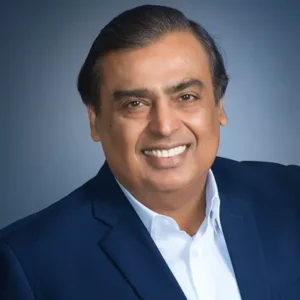
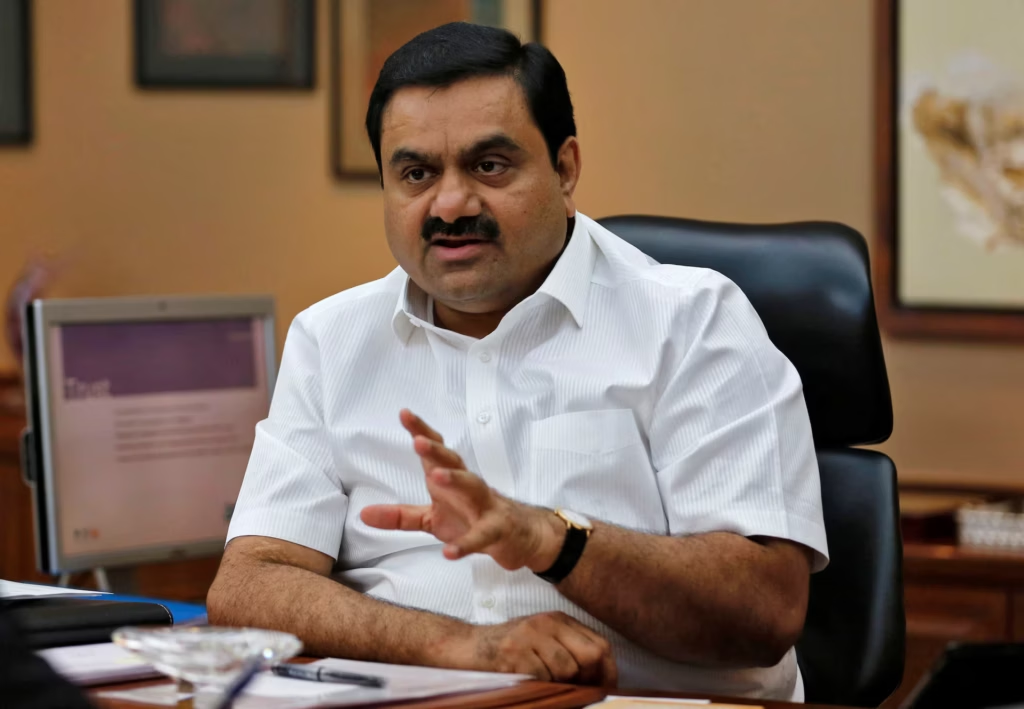
4. Lakshmi Mittal – $34.70 Billion
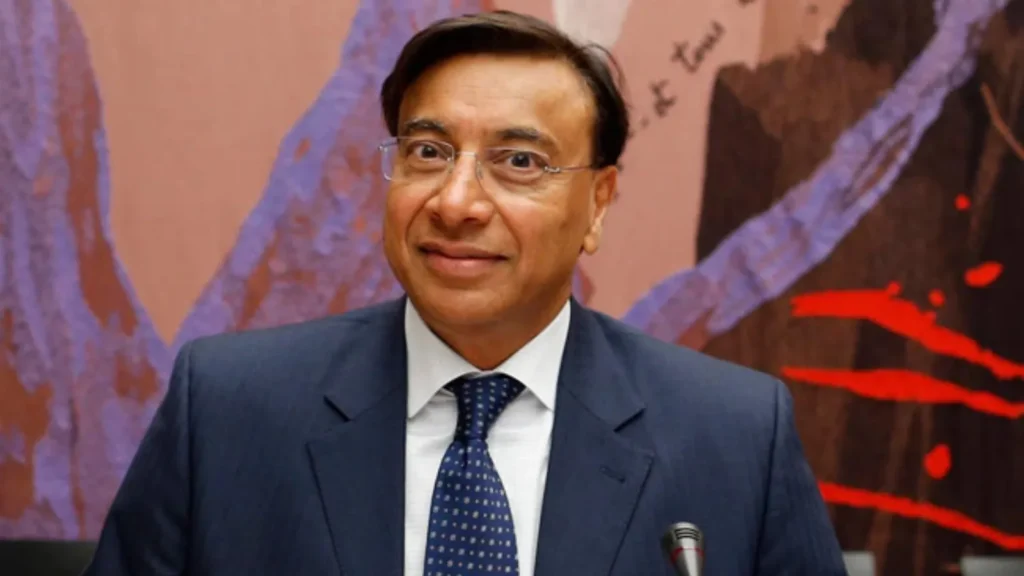
Lakshmi Mittal turned a family steel business into a global steel empire.
Mittal began his career in his family’s steel business in India. In 1976, he moved to Indonesia and started building a steel business there.
Over time, the business expanded through international growth and acquisitions. It eventually became part of ArcelorMittal, now one of the world’s major steel and mining companies. Mittal serves as its executive chairman.
Founder lesson: Think beyond your home market when the opportunity allows it. Expanding into new geographies can open the door to much larger markets.
Also Read | Top 10 Largest Landowners in India (2026): Land Holdings and Wealth Explained
5. Cyrus Poonawalla – $28.48 Billion
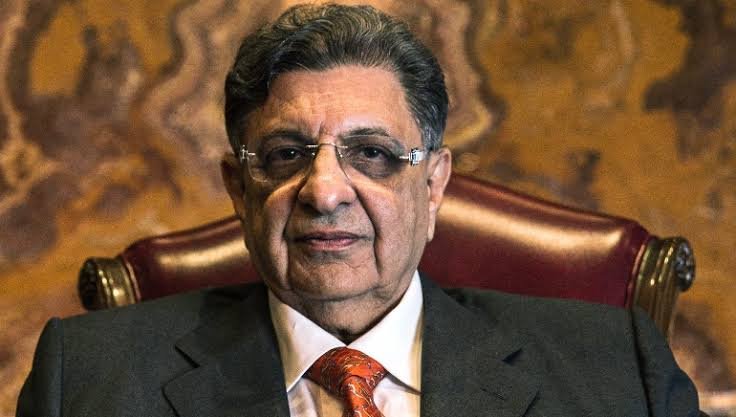
Cyrus Poonawalla built his fortune by making vaccines more affordable and available at scale.
Poonawalla founded the Serum Institute of India in 1966. His aim was to produce life-saving biological products that were difficult to access and expensive in India.
The company grew from serving the domestic market into a major vaccine manufacturer with an international presence. Today, its products reach more than 140 countries.
Founder lesson: A business can create significant value when it tackles an important problem and finds a way to solve it at scale.
6. Shiv Nadar – $27.43 Billion
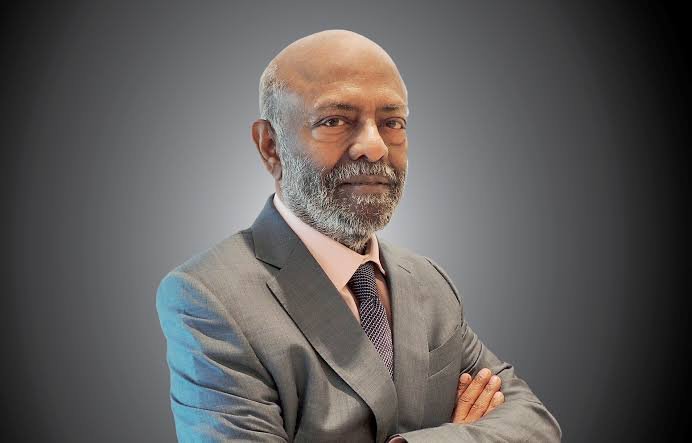
Shiv Nadar is one of India’s most successful technology entrepreneurs and the founder of HCL.
Nadar co-founded HCL in 1976 and helped build it from an early technology company into a global IT organisation.
HCLTech now operates across 60 countries with more than 223,000 professionals, according to HCL.
Nadar stepped away from day-to-day leadership but remains chairman emeritus and strategic adviser to HCLTech.
Founder lesson: Getting ahead of a structural technology shift can create decades of growth.
7. Dilip Shanghvi – $25.98 Billion
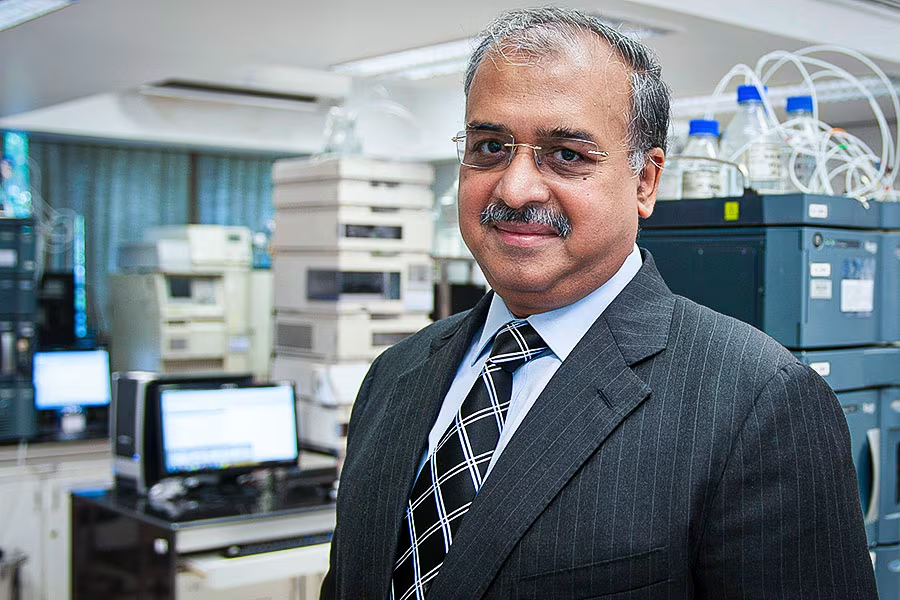
Dilip Shanghvi built Sun Pharmaceutical Industries into one of India’s leading pharmaceutical companies.
Shanghvi founded Sun Pharma and remains its executive chairman.
He grew the business through a combination of organic expansion and acquisitions, including the major acquisition of Ranbaxy.
Founder lesson: Consistent incremental growth can be more powerful than chasing one giant breakthrough.
8. Kumar Mangalam Birla – $22.82 Billion
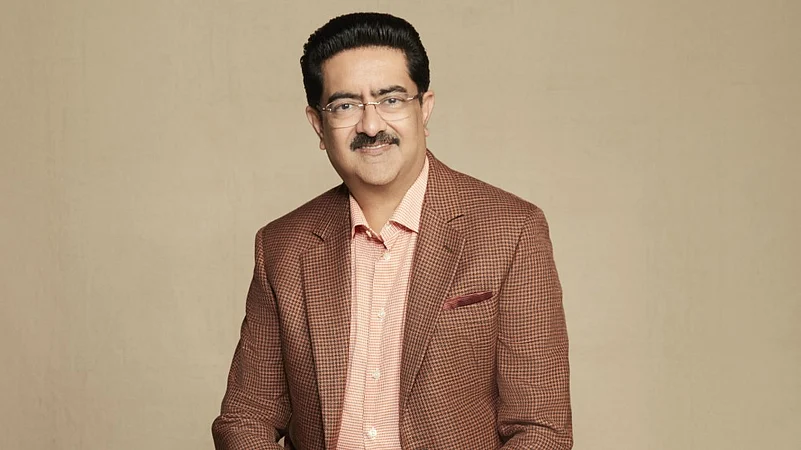
Kumar Mangalam Birla heads the Aditya Birla Group, a business empire with interests across several industries.
Birla took over as chairman in 1995. Since then, the group has expanded into new businesses and markets around the world.
According to the group, Birla has been involved in more than 40 acquisitions during his tenure. These deals helped the Aditya Birla Group grow across sectors and strengthen its international presence.
Founder lesson: A strong leader can build on a family business’s existing foundation while taking it into new markets and industries.
9. Radhakishan Damani – $14.32 Billion
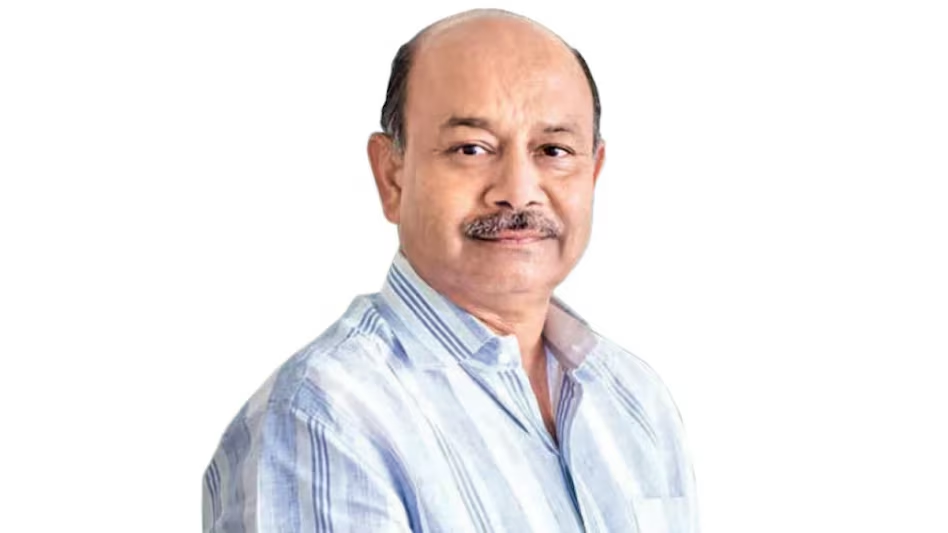
Radhakishan Damani built much of his wealth through investments and the growth of Avenue Supermarts, the company behind DMart.
DMart keeps its retail strategy fairly simple. It focuses on competitive prices, efficient operations and everyday products.
A large part of Damani’s wealth comes from his stake in Avenue Supermarts and the market value of the listed company.
Founder lesson: You don’t always need a complicated business model. A simple idea can become very valuable when you execute it well and stick to the basics.
10. Uday Kotak – $14.00 Billion
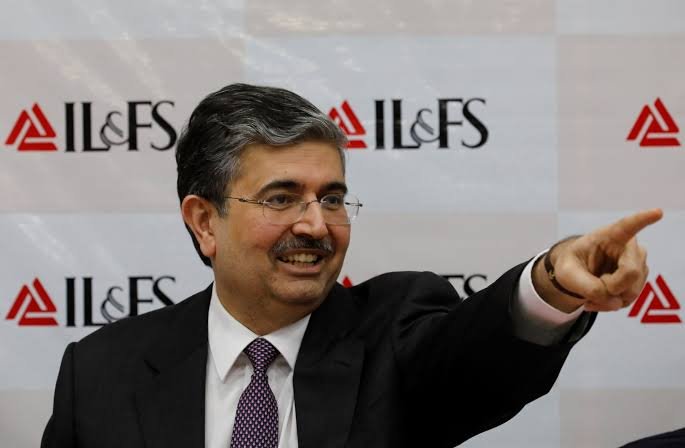
Uday Kotak started with a small finance business and gradually built Kotak Mahindra into a major financial-services group.
Kotak began his business journey in finance before expanding into banking, investments and other financial services.
His career shows how a financial business can grow over decades by managing risk carefully and building customer trust. Instead of chasing rapid expansion at every stage, he focused on building the business steadily.
Founder lesson: In financial services, trust and careful risk management can be just as important as growth.
What Do India’s Richest Businessmen Have in Common?
The biggest common factor is not one particular industry. It is the ability to build businesses that compound over decades.
Key patterns include:
- Scale: Most operate businesses serving millions of customers or large industrial markets.
- Diversification: Ambani, Adani and Birla have built multiple business verticals.
- Technology: Nadar’s HCL shows the value of participating in long-term technology shifts.
- Acquisitions: Mittal, Shanghvi and Birla used acquisitions to accelerate expansion.
- Operational discipline: Damani’s retail model highlights the power of controlling costs.
- Long-term thinking: Poonawalla’s vaccine business began in 1966 and grew over decades.
These examples show that billionaire wealth is usually the result of equity ownership in valuable businesses, rather than simply high personal income.
Why Does Billionaire Net Worth Change?
Billionaire net worth can move significantly even when the person has not sold anything.
The main reasons are:
- Share-price movements: Listed holdings change value every trading day.
- Business performance: Higher earnings can influence valuations.
- Currency movements: Global rankings are commonly reported in U.S. dollars.
- Private-company valuations: Unlisted assets require valuation estimates.
- Ownership changes: Share transfers and other transactions can affect estimated wealth.
For example, Indian markets ended 11 September 2026 lower, with the Sensex falling 120.83 points and the Nifty 50 declining 79.70 points. Reliance Industries fell 1.33% that day, while HCLTech gained 0.85%.
That illustrates why billionaire rankings should always carry a date.
FounderPin Perspective
The most useful lesson from the Top 10 Richest Businessmen in India is not the size of their bank accounts. It is how they created businesses capable of compounding value.
Ambani expanded Reliance into digital and consumer markets. Adani built an infrastructure ecosystem. Nadar anticipated India’s technology opportunity. Poonawalla scaled affordable vaccines. Shanghvi focused on pharmaceuticals, while Damani built around retail efficiency.
Different industries, different strategies—but one recurring idea: build something valuable, own a meaningful stake in it and think beyond the next quarter.
Final Takeaway
The Top 10 Richest Businessmen in India in 2026 represent some of the country’s biggest business success stories.
As of 12 September 2026, Mukesh Ambani leads with an estimated $86.59 billion, followed by Gautam Adani at $82.60 billion and Savitri Jindal & family at $39.83 billion.
The ranking also shows how India’s wealth creation has evolved. Energy and infrastructure remain powerful, but technology, healthcare, pharmaceuticals, retail and financial services now contribute major fortunes too.
For founders, the better question is not simply “Who is India’s richest businessman?” It is: What did these leaders build that was valuable enough to compound for decades?
Want to build and grow your own business strategy? Contact FounderPin for a consultation.
Frequently Asked Questions
1. Who is the richest businessman in India in 2026?
Mukesh Ambani is the richest businessman in India in 2026, with a net worth of around $86.59 billion as of September 12, 2026.
2. Who are the top 10 richest businessmen in India in 2026?
The top 10 include Mukesh Ambani, Gautam Adani, Savitri Jindal & family, Lakshmi Mittal, Cyrus Poonawalla, Shiv Nadar, Dilip Shanghvi, Kumar Mangalam Birla, Radhakishan Damani, and Uday Kotak.
3. How do the richest businessmen in India make their money?
Most built their wealth through business ownership, equity investments, manufacturing, technology, financial services, retail, infrastructure, and diversified business groups.
4. Can the net worth of Indian billionaires change?
Yes. Billionaire net worth can change frequently because it depends heavily on share prices, business valuations, acquisitions, market conditions, and changes in ownership stakes.
5. What can entrepreneurs learn from India’s richest businessmen?
Key lessons include building scalable businesses, retaining ownership, diversifying carefully, investing for the long term, adapting to market changes, and focusing on sustainable growth.