
Introduction
India’s infrastructure transformation is creating unprecedented opportunities for businesses willing to think beyond short-term market cycles. Among the country’s leading industrialists, Gautam Adani has emerged as one of the strongest believers in India’s long-term economic future.
The Gautam Adani Investment Strategy is not based on quarterly profits or temporary market trends. Instead, it focuses on building large-scale infrastructure assets capable of supporting India’s growth for decades. From ports and airports to renewable energy, logistics, AI-ready data centers, and digital infrastructure, every major investment follows a common philosophy—invest today where India will need capacity tomorrow.
This long-term approach continues to differentiate the Adani Group from many traditional conglomerates. Rather than reacting to market opportunities, the Group actively creates future growth platforms by investing in sectors that strengthen India’s economic foundation.
The results of this strategy are becoming increasingly visible. According to Fortune India, the Adani Group invested more than ₹1.5 lakh crore during FY26, accounting for over 30% of India’s total private sector capital expenditure. Gautam Adani described this investment as “a statement of belief in India’s future,” highlighting the Group’s unwavering confidence in India’s long-term development.
In this article, we explore Gautam Adani’s long-term vision, examine the Adani Group investment plans, and understand why the company continues to invest heavily in India’s future.
In What Ways Does Gautam Adani’s Investment Strategy Differ from Others?
Instead of Short-Term Returns, the Focus Is on Long-Lasting Vision
The majority of companies concentrate on projects that can result in immediate profits. The Gautam Adani long-term strategy concentrates on sectors that may require years of investment before achieving significant value. However,
The development of infrastructure assets like ports, airports, transmission networks, renewable energy facilities, and logistics corridors typically requires significant capital expenditure and time. Even so, once these industries become operational, they generate sustained cash flows that last for years.
The Gautam Adani Investment Strategy has become synonymous with patience.
Rather than asking:
What will be profitable in the coming year?
Adani consistently asks:
“What is the need of India in next two decades?”
A single change in perspective is responsible for many of the Group’s most significant investment decisions. We explain these strategic principles in greater detail in our guide on What Entrepreneurs Can Learn From Gautam Adani’s Business Strategy.
The Investment Strategy That Will Support India’s Growth
Over the next few decades, India is projected to become one of the world’s fastest-growing major economies. In addition to digital transformation, urbanization and growth in manufacturing as well as adoption of clean energy and international trade will demand huge investments in infrastructure.
Adani has recognized these patterns and positioned the Group in areas that directly benefit the country’s progress, such as:
- Ports and logistics.
- Airports.
- Renewable energy.
- Electricity transmission.
- Natural resources.
- Data centers.
- AI infrastructure.
- Green hydrogen.
Instead of competing in saturated industries, the Group persists in creating leadership positions in markets that are likely to experience sustained long-term demand.
Key Investment Highlights
| Investment Area | Latest Plans |
|---|---|
| FY2025–26 Capital Expenditure | ₹1.5+ lakh crore |
| Share of India’s Private Capex | ~30% |
| Renewable Energy Target | 45 GW by 2030 |
| Khavda Renewable Energy Park | 30 GW |
| Green Energy Investment | US$55+ billion |
| AI Infrastructure Investment | US$100 billion by 2035 |
| Data Centre Platform | 3 GW |
| Cargo Target | 1 Billion Tonnes by 2030 |
1. Betting ₹1.5 Lakh Crore on India’s Future
FY26 was arguably the most robust demonstration of Gautam Adani’s Investment Strategy.
According to Fortune India, the Adani Group spent more than ₹1.5 lakh crore on hard infrastructure projects during the previous year.
Adani’s infrastructure investment was among the highest in India, as it accounted for more than 30% of the country’s total private-sector capital expenditure.
Gautam Adani spoke about this momentous commitment, saying:
“This is not merely an investment in assets. It is a statement of belief in India’s future.”
A more extensive investment perspective is reflected in this philosophy.
Despite reduced investments during tough economic times, Adani is still expanding infrastructure capacity before demand.
The Group can:
- Build first-mover advantages.
- Capture future market share.
- Create long-term competitive barriers.
- Support India’s economic transformation.
For entrepreneurs, the lesson is clear:
It is common for people to invest in the most profitable opportunities before they are known.
Why This Strategy Matters
Development of infrastructure projects cannot happen overnight.
- Ports require years of planning.
- Airports require regulatory approvals.
- Power transmission networks demand extended construction times.
- Reliable energy is crucial for the success of data centers.
Adani Group ensures that it is ready for India’s fast-growing market by investing years ahead of demand.
One of the most significant competitive advantages behind the Adani Group’s future growth story is the long-term allocation of capital.
2. Infrastructure + Intelligence: The New Gautam Adani Investment Strategy
One of the biggest shifts in the Gautam Adani Investment Strategy is that the Group is no longer investing only in physical infrastructure. Today, it is combining traditional assets with advanced digital technologies to create what Gautam Adani describes as “Infrastructure and Intelligence.”
This strategy recognizes that India’s future economy will rely not only on highways, ports, airports, and power plants but also on artificial intelligence, cloud computing, high-performance data centers, automation, and digital connectivity.
Instead of treating these as separate industries, the Adani Group is building an integrated ecosystem where physical infrastructure supports digital infrastructure, and vice versa.
For example:
- Renewable energy powers AI-ready data centers.
- Ports and logistics generate operational data that improves efficiency.
- Airports increasingly rely on automation and digital services to enhance passenger experience.
- Power transmission networks provide the backbone for digital industries.
This integrated model positions the Group to benefit from both India’s infrastructure boom and its rapidly growing digital economy.
3. Data Centers and AI Are Poised to Become the Next Major Growth Driver

In the coming decade, Artificial Intelligence (AI) is projected to become one of the world’s most significant investment opportunities.
The Adani Group has already recognized this trend and identified AI infrastructure as one of its major future priorities.
Recent reports indicate that Adani’s digital infrastructure business is working toward building a 3 GW data center platform. By 2030, it aims to create one of India’s largest AI-ready digital infrastructure networks.
According to the Memorandum of Understanding, Adani has partnered with Google to establish hyperscale digital infrastructure in Visakhapatnam. This marks a significant milestone in the Group’s digital expansion strategy.
The project reflects the Group’s transition toward technology-driven economic growth. Explore these expansion plans further in our article on the Future of Adani Group and its biggest long-term growth opportunities.
Unlike conventional real estate developments, AI-ready data centers require:
- Massive electricity supply.
- Renewable energy integration.
- High-speed fiber connectivity.
- Advanced cooling systems.
- Long-term energy security.
These requirements perfectly align with Adani’s existing strengths in power generation, transmission, renewable energy, and infrastructure.
An Important Lesson for Entrepreneurs
New technologies often create the next wave of business opportunities. Entrepreneurs who recognize emerging trends early and invest before markets mature are more likely to build long-term competitive advantages.
4. Ports Continue to Drive Adani Group Future Growth
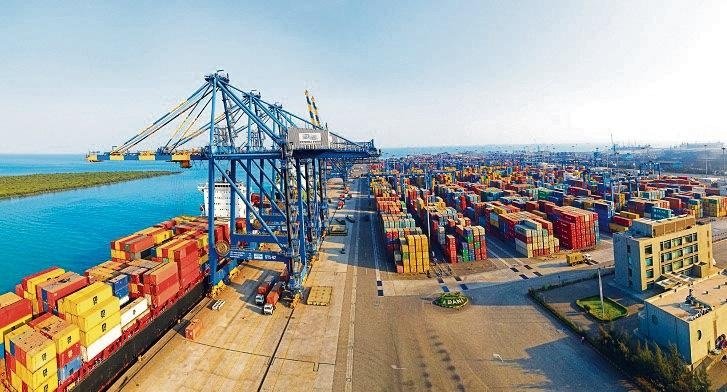
The Adani Group’s future growth strategy is still centered around port expansion.
Adani Ports has become India’s largest commercial port operator in the last 20 years, thanks to continuous capacity expansion, better logistics, and investment in integrated supply chains.
According to recent company updates:
- Over 500 million metric tonnes (MMT) of cargo was transported by Adani Ports in FY26.
- It now aims to have an annual cargo handling capacity of 1 billion tonnes by 2030.
These ambitious expansion plans receive backing from:
- New port acquisitions.
- Logistics parks.
- Inland transportation networks.
- Rail connectivity.
- Digital cargo management systems.
The creation of logistics ecosystems by Adani is not solely focused on operating ports, but rather on connecting manufacturers to exporters, importers and suppliers while also facilitating transportation networks.
The ecosystem approach supports India’s expanding international trade and strengthens the Group’s enduring competitiveness. To understand how each business contributes to this ecosystem, read our comprehensive guide to the Adani Business Empire.
5. Airports Are Creating India’s Next Aviation Hub
The aviation sector represents another important pillar of the Gautam Adani Investment Strategy.
Today, the Group operates several major airports across India while continuing to invest in new infrastructure projects.
Among the most important developments are:
- Navi Mumbai International Airport, expected to become one of India’s largest aviation hubs.
- Development of the new integrated terminal at Guwahati Airport, improving passenger capacity and regional connectivity.
Instead of viewing airports solely as transportation assets, Adani is transforming them into integrated commercial ecosystems that include:
- Retail spaces
- Hospitality
- Logistics
- Cargo operations
- Digital passenger services
- Commercial real estate
As India’s middle class grows and air travel continues expanding, these investments position the Group to benefit from rising passenger traffic over the coming decades.
6. The Next Phase of Growth Will Be Determined by Renewable Energy and Nuclear Power
The Group’s energy investment remains one of its most robust long-term themes.
The Adani Group is already one of India’s biggest renewable energy players.
Yet, the subsequent phase goes beyond that.
Adani Atomic Energy is the latest member that has been granted permission by the Group to enter into the nuclear energy sector, with a target of 10 GW of nuclear power capacity by 2035.
At the same time:
Adani Power is aiming to augment its generation capacity to around 45 GW within the next five years.
Currently in progress are renewable energy projects that include:
- Solar power.
- Wind energy.
- Battery storage.
- Green hydrogen.
By working together, these businesses enhance India’s energy security and facilitate the shift towards cleaner energy sources.
How Does This Benefit Investors and Entrepreneurs?
Despite the Adani Group’s investment plans, diversification can still be achieved without losing strategic focus.
Each investment is a source of more than just random expansion:
- Renewable energy powers data centers.
- Ports support manufacturing.
- Airports strengthen logistics.
- Energy powers industrial growth.
- AI infrastructure accelerates digital transformation.
This interdependent approach minimizes long-term business risk while promoting multiple opportunities for sustainable development.
7. Financial Performance Supports Long-Term Investments
Achieving significant infrastructure investments requires sound financial performance and disciplined capital allocation. Adani Group has continued to strengthen its financial position despite heavy spending on new projects.
FY2025–26 official company data reveals that:
| Financial Metric | Performance |
|---|---|
| Revenue | ₹2.92 lakh crore |
| EBITDA | ₹94,834 crore |
| Net Profit | ₹46,376 crore |
| Annual Revenue Growth | 7.4% |
| Net Profit Growth | Nearly 14% |
| FY2025–26 Capital Expenditure | ₹1.5+ lakh crore |
The company’s aggressive expansion is evident in these figures, which also demonstrate its ability to maintain financial discipline.
Also, by implementing significant fundraising drives and joint ventures, the Group is building investor confidence while also financing growth prospects in various industries. This is particularly notable.
What Insights Can Entrepreneurs Gain from Gautam Adani’s Investment Strategy?
The Adani Group’s success provides a wealth of practical advice for founders, startup entrepreneurs, and business leaders.
1. Think Beyond the Next Quarter
Many businesses are focused on achieving short-term profits. It is important to invest in opportunities that may not materially improve over time, but which will yield long-term competitive advantages, Adani says.
2. Prepare for the Future, Not the Present
During the next decade, the Group is committed to investing in various industries, including renewable energy, AI infrastructure, logistics and digital ecosystems.
Instead of simply addressing current demand, founders should consider future market demands. You can also explore our article on Gautam Adani Leadership Style to discover the leadership principles behind these investment decisions.
3. Create Connected Businesses
The Gautam Adani Investment Strategy’s primary benefit is the ability to establish businesses that work together.
- Ports support logistics.
- Renewable energy powers data centers.
- Airports improve connectivity.
- Digital infrastructure strengthens operational efficiency.
Integrated ecosystems tend to be more successful than isolated businesses.
4. Invest During Uncertainty
In times of economic uncertainty, the Adani Group has made some significant investments.
Rather than waiting for perfect market conditions, successful entrepreneurs build capacity before demand becomes high.
5. Combine Vision with Execution
Successful businesses are not a product of vision alone.
Industry leaders are not created by execution alone.
Through his leadership, Adani demonstrates that it is the combination of long-term vision and practicality that transforms ideas into lasting enterprises.
6. Stay Aligned with National Growth
Gautam Adani’s vision for the future is characterized by its alignment with India’s development goals.
The Group expands in tandem with the economic growth of the country by investing in various sectors such as:
- Ports.
- Airports.
- Renewable energy.
- Electricity.
- Logistics.
- AI infrastructure.
The presence of businesses that support economic growth can lead to the creation of more robust long-term opportunities.
Conclusion.
The Gautam Adani Investment Strategy is based on the principle that investing in sectors that promote national growth generates long-term value. Instead of short-term gains, the Adani Group seeks to develop India’s economy through infrastructure development, clean energy, logistics and airports, as well as digital ecosystem services that will help drive growth in India for many years.
India’s confidence in its future is demonstrated by the unprecedented 1.5 lakh crore investment made during FY26, which accounted for more than 30% of private sector capital expenditure. This represents an unexpected milestone. The Group’s long-term growth is bolstered by robust financial results, growing infrastructure investments and investment in AI-ready data centers and renewable energy.
Identifying the opportunities of tomorrow and executing with patience, discipline, and conviction is crucial for entrepreneurs, investors, or business leaders.
Reach out to FounderPin for Practical Business Advice.
Effective business starts with a solid vision and the right strategic support.
We at FounderPin help entrepreneurs turn their ideas into businesses by helping them register and comply with startups, provide funding and support for long-term business strategies. Call us to today!
FAQs
1. What is Gautam Adani’s investment strategy?
The Gautam Adani Investment Strategy focuses on long-term investments in infrastructure, renewable energy, logistics, airports, data centers, and digital technologies. Instead of pursuing short-term profits, the Adani Group invests in sectors expected to drive India’s economic growth for decades.
2. Why does Gautam Adani continue investing heavily in India?
Gautam Adani believes India’s long-term economic fundamentals remain strong. His investment strategy is based on rising infrastructure demand, manufacturing growth, urbanization, clean energy adoption, and digital transformation, making India one of the world’s most promising investment destinations.
3. What are the Adani Group’s future growth plans?
The Adani Group future growth strategy includes expanding port capacity to 1 billion tonnes by 2030, increasing power generation to 45 GW, building AI-ready data centers, developing airports, investing in green hydrogen, and targeting 10 GW of nuclear energy capacity by 2035.