
Top 10 Largest Companies in India by Market Cap: 2026 Rankings
Table of Contents
Toggle
India’s biggest listed companies span energy, telecom, banking, technology, financial services, infrastructure, consumer goods and retail. But when they are ranked by market capitalization, the order can change quickly as share prices move.
As of the September 2026 market snapshot, Reliance Industries leads India, followed by Bharti Airtel, HDFC Bank and ICICI Bank. The top 10 also include State Bank of India, TCS, Bajaj Finance, Larsen & Toubro, Hindustan Unilever and Titan Company.
Top 10 Largest Companies in India by Market Cap in 2026
| Rank | Company | Sector | Approx. Market Cap |
|---|---|---|---|
| 1 | Reliance Industries | Energy & Conglomerate | ₹17.31 lakh crore |
| 2 | Bharti Airtel | Telecom | ₹11.42 lakh crore |
| 3 | HDFC Bank | Banking | ₹10.95 lakh crore |
| 4 | ICICI Bank | Banking | ₹9.95 lakh crore |
| 5 | State Bank of India | Banking | ₹9.19 lakh crore |
| 6 | Tata Consultancy Services (TCS) | IT Services | ₹7.99 lakh crore |
| 7 | Bajaj Finance | Financial Services | ₹6.44 lakh crore |
| 8 | Larsen & Toubro | Engineering & Infrastructure | ₹5.41 lakh crore |
| 9 | Hindustan Unilever | FMCG | ₹4.53 lakh crore |
| 10 | Titan Company | Consumer & Jewellery | ₹4.44 lakh crore |
Source note: The market-cap ranking and figures above are based on the CompaniesMarketCap India page.
How We Ranked the Largest Companies in India
Ranking date: As of September 11, 2026, at the close of trading.
Market capitalization changes whenever a company’s share price changes. Since September 14, 2026 was a trading holiday for both NSE and BSE, we use September 11, 2026—the last available trading session—as the exact cutoff for this ranking.
To make the ranking transparent and reproducible, we use the following methodology.
Market-Cap Cutoff Date
- Ranking date: September 11, 2026
- Price basis: Closing market price on the cutoff date
- Currency: Indian rupees (₹)
- Purpose: Rank companies according to their total equity market capitalization
This matters because market-cap rankings can change from one trading day to another. For example, Bharti Airtel has previously moved above HDFC Bank when changes in their respective share prices altered their relative valuations.
NSE and BSE-Listed Companies
We consider Indian companies listed on the NSE and/or BSE.
A company does not need to be listed on both exchanges to qualify. If a company is listed on either major Indian exchange, its equity market value can be considered for the ranking.
This approach also avoids treating an NSE listing and a BSE listing of the same company as two separate companies.
Also Read | Top 10 Richest Businessmen in India 2026: Net Worth, Companies and Success Stories
1. Reliance Industries
Company Facts
| Fact | Details |
|---|---|
| Market Cap | Approx. ₹17.3 lakh crore* |
| Industry | Energy, Telecom, Retail & Digital |
| Headquarters | Mumbai, Maharashtra |
| Founded | 1973 |
| CEO/MD | Mukesh D. Ambani, Chairman & Managing Director |
| Major Businesses | Oil-to-Chemicals, Jio, Reliance Retail, Media & Entertainment, New Energy |
Why Does Reliance Have Such a High Valuation?
Reliance is not just one business. It brings several large businesses under one group.
Jio gives Reliance a strong position in telecom and digital services. Reliance Retail adds another major growth engine through its presence in India’s consumer market. At the same time, the Oil-to-Chemicals business remains an important source of cash flow.
Investors, therefore, are not looking at Reliance only through its current earnings. They are also considering the future potential of telecom, retail, energy and media.
That mix helps explain the group’s valuation. In simple terms, buying Reliance gives investors exposure to several major businesses through a single company.
2. Bharti Airtel
Company Facts
| Fact | Details |
|---|---|
| Market Cap | Approx. ₹11.4 lakh crore* |
| Industry | Telecommunications |
| Headquarters | New Delhi |
| Founded | 1995 |
| CEO/MD | Shashwat Sharma, MD & CEO, Airtel India |
| Major Businesses | Mobile services, Broadband, DTH, Enterprise/B2B, Digital Services |
Airtel’s leadership structure changed in January 2026. Shashwat Sharma took over as MD and CEO of Airtel India, while Gopal Vittal stepped into the role of Executive Vice Chairman, where he continues to oversee Airtel and its subsidiaries.
Why Is Its Market Cap So High?
Airtel benefits from its enormous customer base, network scale and strong position in India’s telecom market.
The company has also expanded beyond mobile connectivity into home broadband, enterprise services, DTH and digital offerings. That broader ecosystem gives investors more than a traditional telecom story.
3. HDFC Bank
Company Facts
| Fact | Details |
|---|---|
| Market Cap | Approx. ₹10.95 lakh crore* |
| Industry | Banking & Financial Services |
| Headquarters | Mumbai, Maharashtra |
| Founded | 1994 |
| CEO/MD | Sashidhar Jagdishan |
| Major Businesses | Retail Banking, Corporate Banking, Commercial Banking, Digital Banking, Cards and Loans |
HDFC Bank has been around since 1994, and over three decades it’s become one of the largest private banks in the country. As of this September 2026 snapshot, Sashidhar Jagdishan is still at the helm as MD & CEO — his current term runs out on October 3, but the RBI has already cleared his reappointment starting October 4.
Why Is Its Market Cap So High?
A lot of it comes down to sheer scale. The bank’s lending business is massive, its customer base spans the country, and its branch network reaches places most competitors can’t match.
Things got even bigger after the HDFC Ltd merger, which effectively built one of India’s largest financial-services platforms in one move. That said, 2026 hasn’t been an easy year for the stock — valuations have come under pressure, a reminder that even a market leader isn’t immune to shifting investor sentiment.
4. ICICI Bank
Company Facts
| Fact | Details |
|---|---|
| Market Cap | Approx. ₹9.95 lakh crore* |
| Industry | Banking & Financial Services |
| Headquarters | Mumbai, Maharashtra |
| Founded | 1994 |
| CEO/MD | Sandeep Bakhshi |
| Major Businesses | Retail Banking, Corporate Banking, Loans, Cards, Digital Banking and Financial Services |
Sandeep Bakhshi has been running the show at ICICI Bank since October 2018, first as MD and now heading into his next term — the RBI signed off on another two years starting October 4, 2026.
Why Is Its Market Cap So High?
Part of it is just breadth. ICICI has built out a banking franchise that covers everything from retail customers to large corporates, and it’s spread wide enough that no single segment carries all the risk.
But the bigger driver is probably execution — the digital push has actually paid off, the retail book keeps growing, and profitability has been climbing steadily. Put those together and it’s easy to see why ICICI remains one of the more valuable names in Indian financial services.
5. State Bank of India
Company Facts
| Fact | Details |
|---|---|
| Market Cap | Approx. ₹9.19 lakh crore* |
| Industry | Banking & Financial Services |
| Headquarters | Mumbai, Maharashtra |
| Founded | 1955 |
| CEO/MD | Challa Sreenivasulu Setty, Chairman |
| Major Businesses | Retail Banking, Corporate Banking, SME Banking, Agriculture Banking, International Banking |
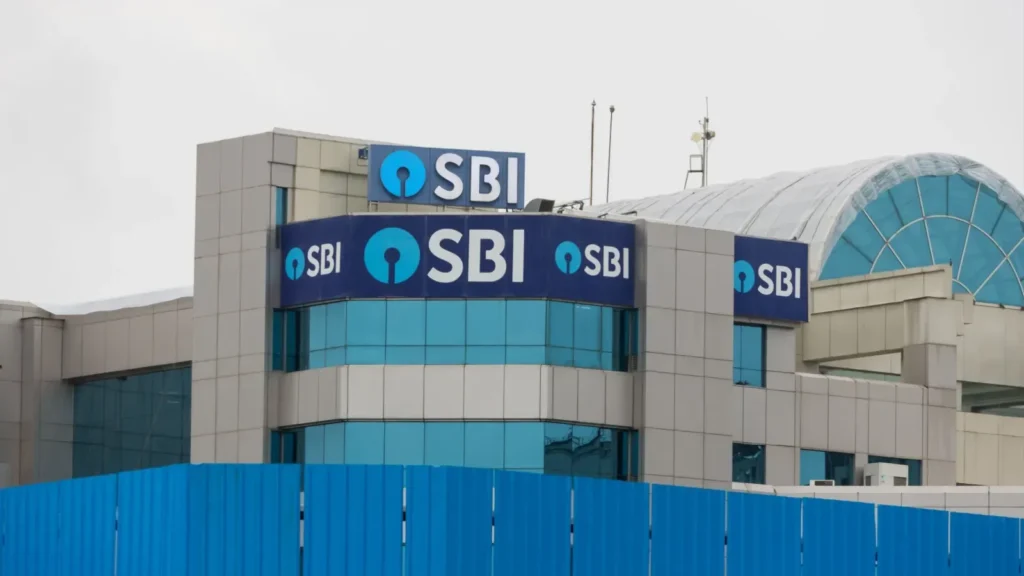
SBI isn’t just India’s largest bank by scale — its roots go back over two centuries, long before the modern entity took shape under the State Bank of India Act, 1955.
Why Is Its Market Cap So High?
Honestly, it comes down to one word: scale. Nobody else in the country comes close to SBI’s footprint — the customer numbers, the branch network, the sheer volume of deposits and loans flowing through it. That reach puts it at the center of India’s financial system in a way few institutions can claim.
There’s also the government ownership angle. It sets SBI apart from every private-sector peer and gives investors a large-cap banking bet that’s genuinely different from the rest of the pack.
6. Tata Consultancy Services (TCS)
Company Facts
| Fact | Details |
|---|---|
| Market Cap | Approx. ₹8.0 lakh crore* |
| Industry | IT Services & Consulting |
| Headquarters | Mumbai, Maharashtra |
| Founded | 1968 |
| CEO/MD | K. Krithivasan |
| Major Businesses | IT Services, Consulting, Cloud, AI, Digital Transformation and Enterprise Technology |
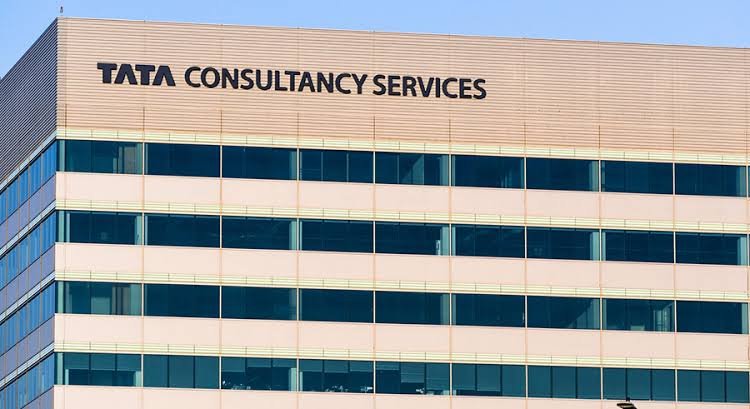
TCS started out in 1968 as a division within Tata Sons before eventually spinning off as its own company. K. Krithivasan has been at the helm as CEO & MD since June 1, 2023.
Why Is Its Market Cap So High?
The client base alone tells most of the story — TCS works with companies across the globe, and a huge chunk of its revenue comes from outside India.
What really keeps investors interested, though, is the mix of what TCS actually does: cloud, AI, digital transformation, enterprise tech. It’s essentially a bet on global tech spending continuing to grow, with TCS positioned right in the middle of it.
7. Bajaj Finance
Company Facts
| Fact | Details |
|---|---|
| Market Cap | Approx. ₹6.4 lakh crore* |
| Industry | Financial Services / NBFC |
| Headquarters | Pune, Maharashtra |
| Founded | 1987 |
| CEO/MD | Rajeev Jain, Vice Chairman & Managing Director |
| Major Businesses | Consumer Finance, Personal Loans, Commercial Lending, Rural Finance, Digital Financial Services |
Leadership shifted at Bajaj Finance in 2025. Anup Saha stepped down as MD that July, and Rajeev Jain took back the reins — he was re-designated Vice Chairman & Managing Director and now runs the company day to day.
Why Is Its Market Cap So High?
Bajaj Finance has quietly built itself into one of the largest non-bank lenders in the country, and the numbers back that up.
A lot of that strength traces back to consumer lending — a big customer base, distribution that reaches deep into the market, and a growing digital-first push. On top of that, the company is good at cross-selling: once a customer’s in the door, Bajaj Finance tends to sell them more than one product, and that habit does a lot of heavy lifting for its growth story.
8. Larsen & Toubro (L&T)
Company Facts
| Fact | Details |
|---|---|
| Market Cap | Approx. ₹5.41 lakh crore* |
| Industry | Engineering, Infrastructure & Construction |
| Headquarters | Mumbai, Maharashtra |
| Founded | 1938 |
| CEO/MD | S. N. Subrahmanyan |
| Major Businesses | Infrastructure, Construction, Engineering, Energy, Technology and Defence |
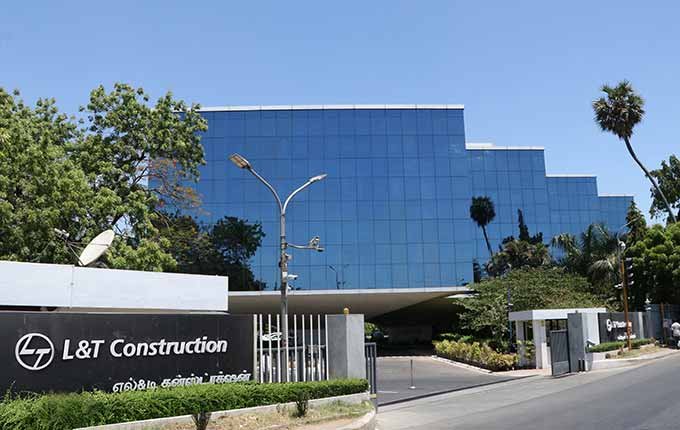
Why Is Its Market Cap So High?
L&T’s fortunes are tied closely to how much India is building — roads, plants, power, the whole capex cycle.
The company’s reach is unusually wide for one name: it’s building major construction projects, but it’s also deep in engineering, technology, energy, and even defence. So as India keeps pouring money into infrastructure and industrial capacity, investors tend to treat L&T as one of the clearest ways to bet on that spending playing out over the long run.
9. Hindustan Unilever
Company Facts
| Fact | Details |
|---|---|
| Market Cap | Approx. ₹4.53 lakh crore* |
| Industry | FMCG / Consumer Goods |
| Headquarters | Mumbai, Maharashtra |
| Founded | 1933 |
| CEO/MD | Priya Nair |
| Major Businesses | Beauty & Wellbeing, Home Care, Personal Care, Foods and Consumer Products |

Priya Nair took over as HUL’s CEO & MD in August 2025, stepping into the role after years in senior leadership across Unilever and HUL.
Why Is Its Market Cap So High?
A big part of it is brand power — HUL owns a stack of household names and backs them with one of the strongest distribution networks anywhere in India.
But the real reason investors stay loyal is demand that just doesn’t go away. Someone might put off buying a car for a year or two, but nobody’s skipping soap, shampoo, or dinner. That kind of steady, recurring need is exactly what makes an FMCG business like HUL so resilient.
10. Titan Company
Company Facts
| Fact | Details |
|---|---|
| Market Cap | Approx. ₹4.4 lakh crore* |
| Industry | Consumer, Jewellery & Lifestyle |
| Headquarters | Bengaluru, Karnataka |
| Founded | 1984 |
| CEO/MD | Ajoy Chawla |
| Major Businesses | Jewellery, Watches, Eyewear, Fragrances, Fashion and Lifestyle |
Titan got a new Managing Director this January. Ajoy Chawla stepped in on January 1, 2026, taking over from C. K. Venkataraman once his tenure wrapped up.
Why Is Its Market Cap So High?
Titan’s success really comes down to brand-building — Tanishq and its watch business in particular have turned into names people trust, especially in jewellery.
That trust is really the whole game: it’s what lets Titan charge for design and reliability, keep customers coming back, and stretch across categories from watches to eyewear to fragrances without diluting the brand. And the company itself is betting there’s more room to run — as more Indians in smaller cities start spending on lifestyle products, Titan sees that as its next big growth level.
Also Read | Top 10 Largest Landowners in India (2026): Land Holdings and Wealth Explained
What Is Market Capitalization?
Market capitalization is basically what the market thinks a company is worth right now — the total value of all its outstanding shares.
The formula behind it is simple:
Market Cap = Current Share Price × Outstanding Shares
Say a company has 100 crore shares outstanding, and each one trades at ₹1,000. Multiply those together, and you get a market cap of ₹1 lakh crore.
It’s worth remembering that market cap isn’t the same thing as revenue, profit, assets, or enterprise value — those measure very different things. In fact, a company can post huge revenue year after year and still trade at a lower market cap than a smaller rival, simply because investors expect that rival to grow faster.
What Does the 2026 Ranking Tell Us About India?
The September 2026 ranking reveals several important trends:
- Diversification is powerful: Reliance combines energy, telecom, digital services and retail.
- Telecom has become highly valuable: Airtel sits above ₹11 lakh crore in market value.
- Banks dominate the list: HDFC Bank, ICICI Bank and SBI occupy three of the top five positions.
- Technology remains important: TCS is India’s largest IT-services company by market cap.
- Financial services extend beyond banks: Bajaj Finance has built a market value larger than many traditional industrial companies.
- Infrastructure remains strategically important: L&T is among India’s ten most valuable listed companies.
- Consumer businesses still command premium valuations: HUL and Titan make the top 10.
- Market rankings are dynamic: Share-price movements can change the order within days or even during a trading session.
Why Does the Ranking Change?
The biggest reason is simple: stock prices move every trading day.
A company’s market capitalization can rise because investors expect stronger earnings, business expansion, higher margins or new growth opportunities.
It can also fall because of weaker earnings, expensive valuations, regulatory concerns, changing interest rates, global market conditions or sector-specific problems.
That means a September 2026 ranking should not be treated as a fixed measure of which company is “best.”
Market Cap vs Revenue: Why the Difference Matters
The company with the highest revenue is not necessarily the company with the highest market capitalization.
Market capitalization reflects what investors believe a company’s equity is worth in the stock market.
Revenue measures sales. Profit measures earnings after expenses. Market capitalization, meanwhile, reflects the market’s valuation of the company’s future earning power, growth prospects, competitive position and risks.
That is why a technology company, consumer brand or financial-services business can have a higher market value than a much larger company by revenue.
FounderPin Perspective
The largest companies in India by market cap are not all successful for the same reason.
Reliance shows the power of diversification. Airtel demonstrates the value of scale in a network business. TCS highlights India’s global technology advantage, while HDFC Bank, ICICI Bank and SBI demonstrate the enormous economic importance of financial services.
The bigger lesson is that market capitalization reflects what investors believe a business can be worth in the future—not simply what it earned yesterday.
Key Takeaways
- Reliance Industries remains India’s largest listed company by market cap in September 2026.
- Bharti Airtel ranks second, ahead of HDFC Bank.
- Banking remains heavily represented, with three banks in the top five.
- TCS remains India’s leading IT-services company by market capitalization.
- Titan enters the top 10 in the September 2026 snapshot, while companies just outside the top 10 can move in as prices change.
- Market capitalization changes continuously, so rankings should always be tied to a specific date.
Frequently Asked Questions
1. Which is the largest company in India by market cap in 2026?
Reliance Industries is the largest company in India by market capitalization as of September 11, 2026. Its market cap is approximately ₹17.31 lakh crore, making it significantly more valuable than the other companies in the ranking.
2. What are the top 10 largest companies in India by market cap in 2026?
The top 10 largest companies in India by market cap as of September 14, 2026 are Reliance Industries, Bharti Airtel, HDFC Bank, ICICI Bank, State Bank of India, TCS, Bajaj Finance, Larsen & Toubro, Hindustan Unilever and Titan Company. The ranking is based on the CompaniesMarketCap India market-cap snapshot.
3. How is the market capitalization of an Indian company calculated?
Market capitalization is calculated by multiplying a company’s current share price by its total outstanding shares. Because share prices change throughout the trading day, a company’s market cap and ranking can also change.
4. Which Indian companies have the highest market cap in the banking sector?
HDFC Bank, ICICI Bank and State Bank of India are among India’s largest banking companies by market capitalization in the September 2026 ranking. Their large customer bases, lending businesses, deposits and financial-services operations contribute to their high market valuations.
5. Can the ranking of the largest Indian companies by market cap change?
Yes. The ranking can change whenever share prices or the number of outstanding shares change. CompaniesMarketCap updates its market-cap rankings regularly, so the position of companies can move over time. For this article, the ranking is specifically as of September 11, 2026.