
Introduction
The rise of Shark Tank India has popularized startup funding, valuations, and investor-backed growth. For many aspiring entrepreneurs, securing investment appears to be the ultimate milestone. However, some of India’s most successful companies achieved remarkable growth without depending on venture capital or television investors.
These Bootstrapped Businesses prove that building a successful company does not always require external funding. Through disciplined execution, customer focus, and sustainable growth strategies, many founders have created businesses that are significantly larger than numerous startups featured on Shark Tank India.
For entrepreneurs wondering whether a startup without funding can succeed, India’s startup ecosystem offers several inspiring examples.
What Are Bootstrapped Businesses?
Bootstrapped businesses are companies built using the founders’ personal savings, operating revenue, and internal cash flows instead of external investment.
Unlike venture-backed startups, bootstrapped companies focus on:
- Revenue generation from day one
- Sustainable growth
- Profitability
- Financial discipline
- Long-term ownership retention
Many of the most successful entrepreneurs view bootstrapping as a strategic advantage because it allows founders to maintain complete control over decision-making.
Top Bootstrapped Business in India That Made It Big
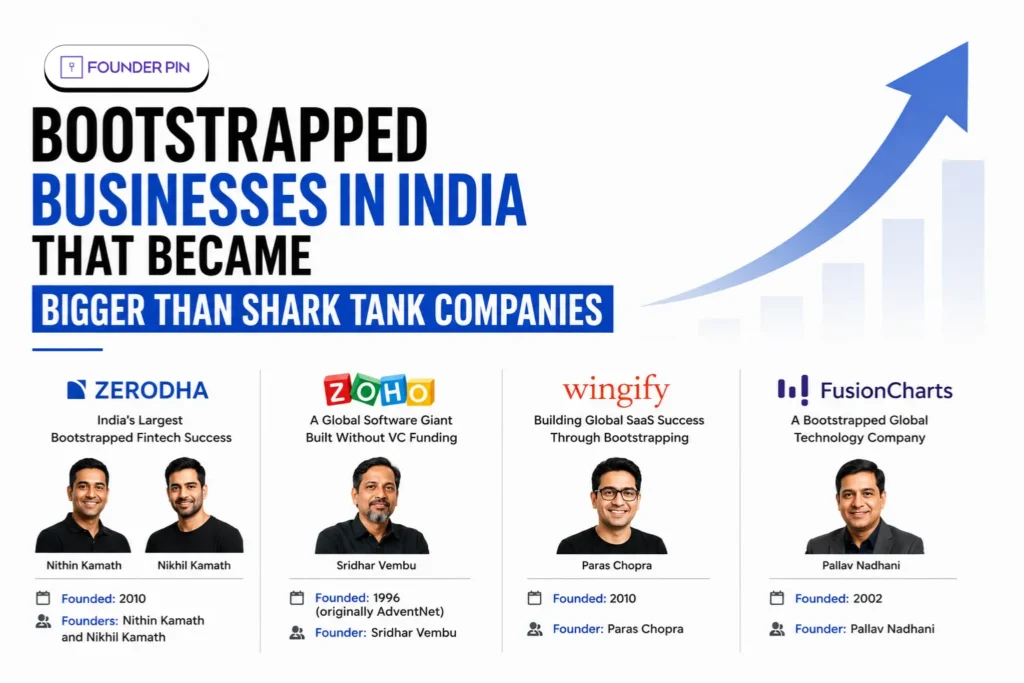
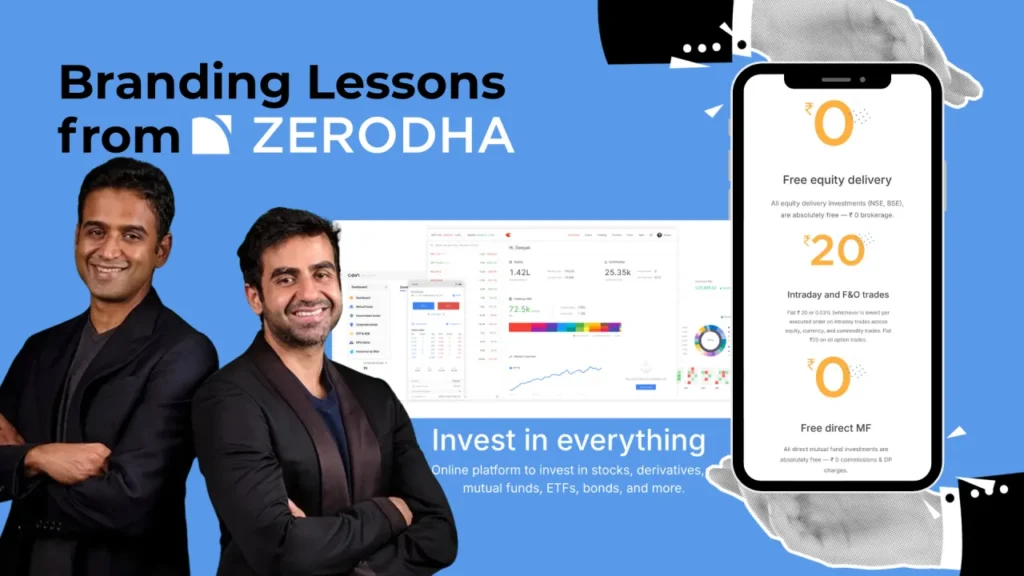
1. Zerodha: India’s Largest Bootstrapped Fintech Success
Founded: 2010
Founders: Nithin Kamath and Nikhil Kamath
A Startup Without Funding That Changed Investing
Zerodha is among the best instances of a bootstrapped startup in India.
Founded by Nithin Kamath and Nikhil Kamath, Zerodha disrupted the stockbroking industry through low-cost trading services and technology-driven innovation.
What makes Zerodha remarkable is that it achieved massive scale without raising venture capital.
Today, the company serves millions of investors and has become one of India’s largest financial services platforms.
Its success demonstrates how a startup without funding can outperform heavily funded competitors through operational excellence.
2. Zoho: A Global Software Giant Built Without VC Funding
Founded: 1996 (originally AdventNet)
Founder: Sridhar Vembu

One of the Most Successful Bootstrapped Companies in India
Zoho is widely regarded as one of the world’s most successful bootstrapped software companies.
Founded by Sridhar Vembu, the company built a comprehensive suite of business software products while avoiding external funding.
Zoho’s approach focused on:
- Product quality
- Customer value
- Long-term innovation
- Sustainable profitability
Today, the company serves customers across the globe and generates substantial revenue while remaining privately owned.
Lessons from Zoho
Zoho demonstrates that exceptional outcomes can be produced without venture funding by perseverance, superior products, and customer attention.
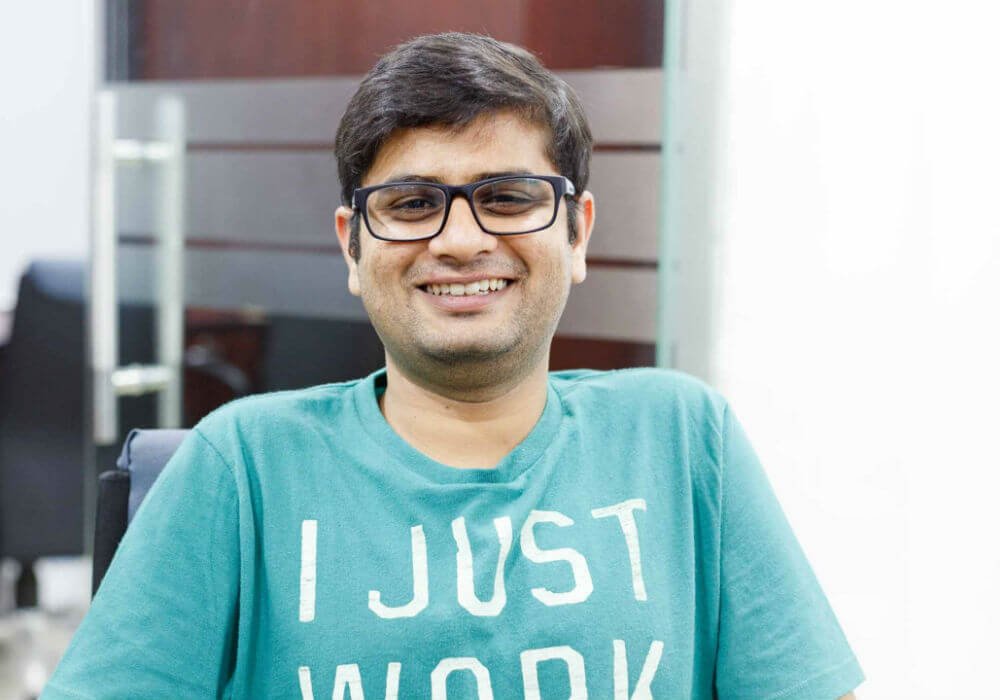
3. Wingify: Building Global SaaS Success Through Bootstrapping
Founded: 2010
Founder: Paras Chopra
Growth Through Revenue Rather Than Investors
Wingify, the company behind VWO (Visual Website Optimizer), is another impressive example of self-funded startups India has produced.
The company built internationally recognized software products by focusing on customer needs and reinvesting profits into growth.
Rather than pursuing aggressive fundraising, Wingify concentrated on creating value for users and building a profitable SaaS business.
Its success highlights the strength of disciplined execution.
4. FusionCharts: A Bootstrapped Global Technology Company
Founded: 2002
Founder: Pallav Nadhani

From India to International Markets
FusionCharts became a globally recognized data visualization platform without relying on external investment.
The company expanded by solving real customer problems and generating revenue from its products.
Its journey demonstrates that bootstrapping can work even in highly competitive technology markets.
For founders, FusionCharts provides a powerful example of building a global brand through sustainable growth.
What Makes Bootstrapped Startup Success Stories Different?
Profitability Comes First
One characteristic shared by many bootstrapped startup success stories is their emphasis on profitability.
Unlike startups focused primarily on growth metrics, bootstrapped companies often prioritize:
- Positive cash flow
- Operational efficiency
- Customer retention
- Revenue generation
This approach reduces financial risk and creates stronger foundations for long-term success.
Discipline Drives Growth
Limited resources force founders to make better decisions.
Every expense, hire, and growth initiative must generate measurable value.
This discipline often becomes a competitive advantage.
Why Bootstrapping Can Be a Powerful Growth Strategy
Full Ownership and Control
One major benefit of bootstrapping is that founders retain ownership of their business.
Without investor pressure, entrepreneurs can:
- Make independent decisions
- Focus on long-term goals
- Avoid excessive dilution
- Build sustainable business models
This flexibility often leads to stronger strategic execution.
Customer-Centric Growth
Bootstrapped businesses survive by serving customers effectively.
Since they cannot rely on continuous funding rounds, they prioritize revenue generation and customer satisfaction from the beginning.
Are Bootstrapped Businesses Better Than Funded Startups?
There Is No Universal Answer
Both bootstrapping and fundraising have advantages.
Funded startups can:
- Scale faster
- Hire aggressively
- Expand rapidly
Bootstrapped businesses can:
- Retain ownership
- Maintain control
- Focus on profitability
- Avoid investor pressure
The right path depends on the business model, market opportunity, and founder objectives.
Success Depends on Execution
Whether funded or self-funded, successful companies share common characteristics:
- Strong leadership
- Customer focus
- Market understanding
- Consistent execution
Funding alone does not guarantee success.
Lessons Entrepreneurs Can Learn From India’s Bootstrapped Businesses
The most successful bootstrapped companies in India demonstrate several important principles:
- Revenue is the strongest validation.
- Customer satisfaction drives sustainable growth.
- Ownership has long-term value.
- Profitability creates resilience.
- Patience often produces better outcomes than rapid expansion.
These lessons remain highly relevant for founders navigating today’s competitive startup ecosystem.
Conclusion
The stories of Zerodha, Zoho, Wingify, and FusionCharts prove that Bootstrapped Businesses can achieve extraordinary success without external funding. These companies have become some of the most respected names in their industries while maintaining independence and financial discipline.
For founders considering whether to raise capital or remain self-funded, these examples show that there is no single path to success. Many of the most inspiring bootstrapped companies in India have built lasting businesses by focusing on customers, profitability, and sustainable growth.
Ultimately, success is determined not by how much funding a startup raises, but by how effectively it creates value and solves real-world problems.
Contact FounderPin for Startup Growth Guidance
Whether you’re building a bootstrapped startup or preparing for fundraising, having the right growth strategy can make all the difference.
At FounderPin, we help entrepreneurs develop sustainable business models, improve fundraising readiness, and accelerate growth.
Contact us for a consultation today and discover the best path for scaling your startup.
Frequently Asked Questions (FAQs)
1. What are some of the most successful bootstrapped businesses in India?
Some of the most successful bootstrapped businesses in India include Zerodha, Zoho, Wingify, and FusionCharts. These companies achieved significant growth without raising venture capital and are widely recognized as leading bootstrapped startup success stories.
2. Can a startup succeed without external funding?
Yes, a startup without funding can succeed if it focuses on solving customer problems, generating revenue early, and maintaining financial discipline. Many successful bootstrapped startups have built profitable businesses through sustainable growth and strong execution.
3. What are the advantages of bootstrapping a startup?
Bootstrapping allows founders to retain ownership, maintain decision-making control, avoid equity dilution, and focus on long-term profitability. Many self-funded startups in India consider these advantages crucial to their success.
4. How do bootstrapped companies in India grow without investors?
Bootstrapped companies typically grow by reinvesting profits, managing expenses carefully, and prioritizing customer acquisition and retention. This approach helps businesses scale organically without relying on external capital.
5. Are bootstrapped businesses better than venture-funded startups?
Neither model is inherently better. Bootstrapped businesses offer greater ownership and control, while venture-funded startups can scale faster with access to capital. The best choice depends on the founder’s goals, business model, and market opportunity.